This bill reforms H-1B visa limits and establishes a grant program to bolster STEM education and teacher retention in the U.S.
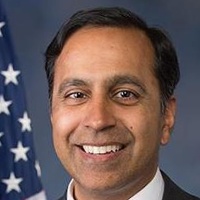
Raja Krishnamoorthi
Representative
IL-8
This bill aims to reform high-skilled immigration by significantly increasing the annual H-1B visa cap. It also establishes the Promoting American Ingenuity Grant Program to strengthen STEM education and teacher retention in the U.S. Furthermore, the legislation adjusts the criteria used to define H-1B-dependent employers.
High-Skilled Visa Cap Doubles to 130,000, While Oversight for Tech Companies Gets Relaxed
This legislation, the “High-skilled Immigration Reform for Employment Act,” is a big move on two fronts: it significantly increases the number of high-skilled worker visas available each year and simultaneously establishes a new grant program to boost science and tech education in the U.S. Specifically, the bill nearly doubles the annual cap on H-1B visas—the temporary work visas used primarily by the tech sector—from 65,000 to 130,000 (SEC. 2). However, it removes the existing 20,000-visa exemption pool reserved for foreign workers who earned a master’s degree or higher from a U.S. institution, folding those applicants into the larger, single pool. The bill also authorizes $25 million annually through fiscal year 2030 to fund state-level initiatives aimed at strengthening STEM education from elementary school through college (SEC. 3).
The H-1B Shuffle: More Visas, Less Scrutiny
For companies struggling to find specialized talent, the biggest takeaway is the doubling of the H-1B visa cap. This provides employers with a much larger pool of potential high-skilled workers, which could help fill gaps in areas like software engineering or advanced manufacturing. However, the bill makes a significant change to regulatory oversight by relaxing the definition of an “H-1B-dependent employer.” Currently, companies that rely heavily on H-1B workers face stricter requirements regarding recruitment and non-displacement of U.S. workers. This bill raises the thresholds for what counts as “dependent.” For instance, a medium-sized company with 51 to 100 employees now needs at least 24 H-1B workers to be classified as dependent, up from the current 12 (SEC. 2).
What does this mean in the real world? It means that many companies that were previously subject to heightened scrutiny will now fly under the radar. While this might simplify hiring for employers, it reduces the regulatory guardrails meant to protect domestic workers from being displaced, or from wage depression, at companies that heavily utilize the program. It’s a trade-off: more access to talent, but less oversight on how that talent is used.
The U.S. Master’s Catch
Another significant shift is the elimination of the 20,000-visa pool for U.S. advanced degree holders. If you’re a foreign student who just spent years getting a master’s degree in computer science from a U.S. university, you used to have a dedicated, less competitive lottery pool. Now, you’re thrown into the general 130,000-visa pool with everyone else. While the overall number of visas is higher, this removes a specific, protected pathway for highly educated individuals trained in the U.S. to stay and work here. It simplifies the lottery process but removes a specific incentive for foreign students to pursue advanced degrees here.
Funding the Next Generation of Engineers
The second major component of this bill is the creation of the “Promoting American Ingenuity Grant Program.” This authorizes $25 million annually for five years (2026-2030) for competitive grants to states. The goal is to strengthen STEM education and help states retain teachers in these critical fields (SEC. 3). For parents and educators, this is a potential win. If your state successfully applies, this funding could mean better science labs, updated curricula, and more resources to keep experienced math and science teachers in the classroom, potentially improving the pipeline of domestic talent in the long run. The idea is to simultaneously address immediate high-skilled labor needs through immigration and long-term needs through education funding.