This bill mandates a comprehensive study by the Comptroller General on the causes, impact, and systemic response to gender-based violence in Puerto Rico to inform better policy and data systems.
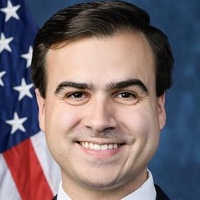
Pablo José Hernández Rivera
Representative
PR
The Violence Impact and Vulnerabilities Assessment Study Act (VIVAS Act) mandates a comprehensive study by the Comptroller General on gender-based violence in Puerto Rico. This study will assess the scope, causes, and systemic responses to this crisis, paying close attention to vulnerable communities and the impact of disasters. The resulting reports will provide evidence-based recommendations to improve federal and local policies, data collection, and support for community organizations.
VIVAS Act Mandates Comprehensive Study on Gender Violence Crisis in Puerto Rico, Focusing on Data and Disaster Impact
The newly introduced Violence Impact and Vulnerabilities Assessment Study Act (VIVAS Act) isn't about creating new laws right now—it’s about getting the facts straight first. This bill mandates that the Comptroller General of the United States conduct a massive, comprehensive study on gender-based violence in Puerto Rico. The core idea is that current data is fragmented, making effective policy impossible, so the government needs a complete picture before it can act.
The Data Deficit and the Real World
This study is required to dive deep into the prevalence, severity, and types of violence across the island, broken down by demographics and location. Think of it as a forensic audit of a public health crisis. For someone working a demanding job, this means that future policies won't be based on guesswork; they’ll be based on hard numbers showing exactly where the problems are worst. The bill specifically requires the study to look at how factors like cultural norms, structural poverty, educational disparities, and inadequate infrastructure affect violence rates. If you live in a rural area, for example, the study must assess how inaccessible services and a lack of culturally competent care act as barriers to reporting or seeking help.
When Disaster Strikes: A Crucial Focus
One of the most critical elements of the VIVAS Act is its focus on the intersection of violence and disaster. The study must analyze how natural disasters, economic crises, and the COVID-19 pandemic worsened gender violence. This is a direct acknowledgment that when the power goes out, or the economy tanks, victims lose access to safe spaces and support systems. For emergency responders and community organizers, this means the final report will offer concrete recommendations on how to make shelters, services, and infrastructure resilient to future crises, ensuring that protection doesn't collapse along with the power grid.
Who’s Getting the Job Done? Assessing Local Response
The bill doesn't just look at the government; it shines a spotlight on the grassroots organizations. The Comptroller General must conduct an Organizational Impact Analysis to examine how local interventions—like shelters, advocacy groups, and LGBTQ+ organizations—fill systemic gaps. This analysis must provide recommendations for increasing funding and support for these local Puerto Rican organizations, which are often the first and only line of defense for survivors. This provision recognizes that the people who know the problem best are those on the ground, and their efforts need sustainable support, not just emergency handouts.
Holding the System Accountable
Another key requirement is the Governmental Response to Femicide analysis. The study must evaluate the effectiveness of the Puerto Rican government’s current policies—from public education campaigns to judicial accountability—in preventing femicide. Crucially, it must analyze whether education-focused approaches are addressing the root causes or just the symptoms. The study also requires input from civil society, survivors, and impacted communities to compare official reporting with the reality on the ground. This means the final report will be a public report card on the government's performance, ensuring that transparency and accountability are built into the system.
What Happens Next?
The Comptroller General is required to actively engage with local organizations, including holding community roundtables and listening sessions, throughout the study. This isn't a desk job; it requires getting out and talking to people. The results will be delivered in two phases: an Interim Report is due within 270 days, and the Final Report is due within 540 days (about 18 months). The final report, which must be published publicly in both English and Spanish, will include evidence-based recommendations for improving strategies, building transparent oversight systems, and creating a unified public data system on gender-based violence. If the data is currently scattered across police departments, hospitals, and non-profits, this study aims to pull it all together so that policymakers can finally see the whole picture and make smart, targeted investments.