The PLAY Act establishes an interagency task force to improve coordination and develop recommendations for enhancing child wellness infrastructure, focusing on safe and accessible play and outdoor spaces.
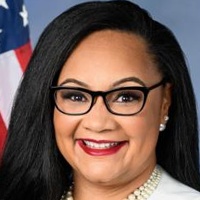
Nikema Williams
Representative
GA-5
The PLAY Act establishes the Prioritizing Lifestyle and Activity for Youth Act to recognize playgrounds and green spaces as vital public health infrastructure for children's development and well-being. The bill creates an Interagency Task Force on Child Wellness and Physical Activity Infrastructure to improve coordination across federal agencies. This Task Force will identify barriers to access and develop recommendations for building evidence-based play environments that promote health and community resilience.
PLAY Act Creates Federal Task Force to Map Out Better Playgrounds and Green Spaces for Kids
The Prioritizing Lifestyle and Activity for Youth Act, or the PLAY Act, is all about getting federal agencies to take playgrounds and green spaces seriously. This bill establishes a high-level, interagency task force aimed at improving the infrastructure that supports children’s physical activity and well-being. It starts with a clear statement: Congress finds that safe, quality playgrounds are critical for children’s health, development, and even for reducing urban heat thanks to the cooling power of local green spaces.
The Federal Government Gets Serious About Swingsets
Think of this as the federal government finally acknowledging that playgrounds aren't just an afterthought—they’re essential public health infrastructure. The bill creates the Task Force on Child Wellness and Physical Activity Infrastructure within 180 days of enactment (SEC. 3). This isn't just a small committee; it pulls together heavy hitters, including the Secretaries of Health and Human Services (HHS), Interior, EPA, HUD, Transportation, and even the Army Corps of Engineers. HHS and Interior will co-chair the group, signaling that this initiative spans both public health and public lands.
What They’re Actually Going to Do
This Task Force has a specific mandate, and it’s focused on coordination and action. First, it must identify existing barriers that prevent kids from accessing close-to-home outdoor spaces. If you live in a dense urban area or a rural town where the nearest park is miles away, this part is for you. They’re tasked with developing recommendations on how to better facilitate active play for promoting health and learning, and how agencies can cooperate to ensure 'child wellness infrastructure'—which includes playgrounds, outdoor learning spaces, and nature play areas—meets diverse community needs (SEC. 3).
For instance, the Task Force will look for ways to connect the Department of Transportation’s efforts (like safe routes to school) with the Department of Housing and Urban Development’s efforts (like green spaces in public housing). The goal is to move beyond siloed thinking and create a unified strategy. They also have to identify and promote “scalable models, like public-private partnerships,” that have proven success in improving kids’ health. This focus on public-private partnerships is a key detail, as it suggests that future playground funding or development might involve private sector collaboration, which could speed up development but requires careful oversight to ensure public access remains the priority.
The Real-World Impact and Next Steps
For parents, educators, and community leaders, this bill signals a potential shift toward prioritizing local recreational spaces. While the bill doesn't directly fund new playgrounds yet, it forces federal agencies to coordinate their efforts, which could unlock existing resources more efficiently. If the Task Force does its job, it could lead to better grant programs and clearer guidelines for creating safe, accessible, and heat-resilient play areas in neighborhoods that need them most. The co-chairs must deliver a preliminary report to Congress within six months of the Task Force forming, followed by a final report with all their recommendations a year later. The whole Task Force wraps up one year after that final report, meaning this is a focused, two-year effort to lay the groundwork for future policy changes. This is the first step toward making sure every kid has a decent, safe place to play, regardless of their zip code.