This bill restores $80 million to the Travel Promotion Fund to offset previous reductions.
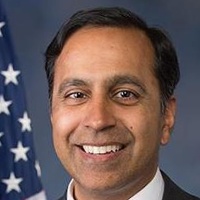
Raja Krishnamoorthi
Representative
IL-8
This bill, titled the Brand USA Restoration Act, appropriates \$80 million for fiscal year 2026 to the Travel Promotion Fund. These funds are intended to offset previous reductions made to the Fund by the "One Big Beautiful Bill Act." This action aims to restore funding for travel promotion initiatives.
Brand USA Restoration Act Proposes $80 Million Boost for Tourism Promotion in Fiscal Year 2026
This legislation, officially titled the Brand USA Restoration Act (SEC. 1), is a straightforward budget move aimed at refilling the coffers of the federal Travel Promotion Fund. The core of the bill is a single, specific appropriation: $80,000,000 designated for fiscal year 2026 (SEC. 2).
The Budget Fix: Restoring the Travel Promotion Fund
Think of the Travel Promotion Fund as the national marketing budget for the U.S. tourism industry. It’s managed by Brand USA, a public-private partnership created under the Travel Promotion Act of 2009. This bill essentially acts as a legislative 'make-good'—the $80 million is specifically intended to offset previous reductions made to the Fund by other legislation, which the bill refers to as the 'One Big Beautiful Bill Act' (SEC. 2).
What This Means for the Real World
For most people, the immediate impact of this bill isn't directly visible, but it matters to anyone whose job relies on tourism or international visitors. The Travel Promotion Fund uses its money to run marketing campaigns overseas, encouraging people to travel to the United States. For a small hotel owner in Orlando, a restaurant manager in New York, or an outdoor guide in Montana, these funds mean more international customers walking through their doors. The appropriation ensures that Brand USA has the resources to keep those campaigns running in 2026.
Who's Paying the Tab?
Since this is an appropriation (SEC. 2), the $80 million is coming directly from the federal budget. This means taxpayers are funding the restoration of the Travel Promotion Fund. While the goal is to drive tourism and boost economic activity—which can generate tax revenue—the initial outlay is a direct cost. This is a common trade-off in government spending: investing public money now to stimulate a sector that is expected to deliver a return on that investment later.