This bill, the Targeting Environmental and Recklessness Act of 2025, authorizes sanctions against foreign actors whose significant actions exacerbate climate change, drive deforestation, or harm environmental defenders.
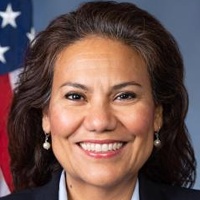
Veronica Escobar
Representative
TX-16
This bill, the Targeting Environmental and Recklessness Act of 2025, authorizes the President to impose sanctions on foreign individuals and entities whose actions significantly worsen climate change, drive illegal deforestation, or harm environmental defenders. It establishes a policy to use Global Magnitsky sanctions against those involved in corruption and human rights abuses linked to environmental harm. Ultimately, the Act aims to reinforce global efforts to limit warming to 1.5 degrees Celsius when diplomatic engagement fails.
New Climate Sanctions Bill Targets Foreign Actors Causing Deforestation and 1.5°C Warming Overruns
The new Targeting Environmental and Climate Recklessness Act of 2025 is essentially a new financial weapon aimed at foreign actors who are actively making the climate crisis worse. Forget the usual climate policy debates about domestic regulations; this bill is about using the U.S. financial system to punish bad international behavior.
At its core, this legislation authorizes the President to impose sanctions—think asset freezes and visa bans—on foreign individuals or companies that significantly exacerbate climate change or deforestation. Specifically, Section 5 sets the target on anyone who knowingly, recklessly, or willfully engages in activities that cause greenhouse gas emissions "not aligned with pathways to stay below 1.5°C of warming." They’re also targeting anyone involved in illegal deforestation or those who actively harm environmental defenders.
The Global Magnitsky for Climate Cheats
For those of us who follow policy, this bill looks a lot like an expansion of the Global Magnitsky Act, which is usually used to sanction human rights abusers and corrupt officials. Here, Congress is making the case that climate recklessness, illegal deforestation, and the resulting violence against activists are serious enough to warrant the same treatment.
This is a big deal because it connects climate action directly to anti-corruption and human rights enforcement. For instance, if a foreign timber cartel is using illegal logging to clear massive tracts of the Amazon (a crucial "carbon sink," as defined in Section 5) and threatening Indigenous communities in the process, the U.S. could now freeze their assets and block them from traveling here. This gives the U.S. government a powerful tool to protect the people—often low-income or Indigenous—who suffer the worst effects of these environmental crimes.
What Does 'Not Aligned with 1.5°C' Actually Mean?
This is where things get interesting—and potentially vague. The bill’s findings (Section 2) are clear: the world has already passed the 1.5°C warming threshold, and we need drastic action. The sanctions authority granted in Section 5 targets activities like significantly undermining clean energy adoption or building low-efficiency fossil fuel power plants.
In practice, this means the President gets to decide which foreign coal plant developer or oil pipeline expansion is reckless enough to warrant sanctions. While the goal is necessary—limiting warming to avoid catastrophic outcomes like widespread crop failure and unsafe outdoor work (Section 2)—that discretion is significant. It grants the executive branch a lot of power to determine who is playing by the rules and who isn't, which could lead to some political friction down the road.
The Real-World Impact: Who Pays and Who Benefits?
For the average person in the U.S., this bill won't change your utility bill tomorrow, but it aims to protect your future. By targeting major foreign polluters and illegal loggers, the U.S. is trying to level the playing field. If you’re a U.S. company investing in costly clean energy, you shouldn't have to compete against foreign rivals who are cutting corners by building highly polluting, cheap infrastructure.
Who feels the heat immediately? Foreign entities that rely on the U.S. financial system while simultaneously engaging in the targeted activities. If you’re a high-ranking official in a company that just misrepresented the emissions of a project to secure financing (a sanctionable offense under Section 5), you could suddenly find your U.S. bank accounts frozen and your visa revoked.
One notable carve-out: The bill explicitly states that the authority to block property does not include the authority to impose sanctions on the importation of goods (Section 5). This means while the U.S. can freeze a foreign polluter’s assets, it can't use this specific authority to block their goods from entering U.S. ports. This limits the economic bite slightly but likely avoids disrupting the supply chains of U.S. importers.
To make sure the enforcement is robust, Section 6 authorizes necessary funding for the Treasury Department’s Office of Foreign Assets Control (OFAC). That’s the agency that actually executes these financial sanctions, and they will need the resources to track down and freeze the assets of climate cheats worldwide.