This Act establishes at least eight regional wildland fire research centers across the U.S. to coordinate research, develop predictive tools, and improve firefighter safety through a new national coordination board.
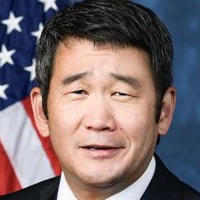
Dave Min
Representative
CA-47
This Act establishes at least eight regional wildland fire research centers across the U.S. to improve understanding, prediction, and mitigation of wildland fire risks. These centers will coordinate research, develop new technologies, and focus on regional needs, overseen by a National Center Coordination Board. The legislation authorizes specific funding levels for the centers and the Board through Fiscal Year 2030.
New Act Funds $60M+ for Wildfire Research Centers to Predict Smoke, Fire Behavior
The Regional Leadership in Wildland Fire Research Act of 2025 is essentially a massive, coordinated science upgrade aimed squarely at the growing threat of wildland fires. Its main action is to establish at least eight regional wildland fire research centers across the country, hosted by colleges and universities. The bill authorizes $60 million for these centers in Fiscal Year 2026, increasing annually to $64 million by 2030, plus an extra $1 million per year for national coordination. The Secretaries of Agriculture and the Interior must move fast, starting a pilot program with at least two centers right away and establishing the remaining centers within two years of the pilot launch, ensuring coverage across eight defined regions from Alaska to the Southeast.
The Science Upgrade: Getting Ahead of the Smoke
For anyone living near the wildland-urban interface, or even hundreds of miles away dealing with smoke, this bill focuses on practical, real-time solutions. The centers are tasked with developing tools to monitor, predict, and model fire and smoke behavior in near-real-time. Think of it as building a better weather forecast, but for fire. This research isn't just academic; it’s meant to directly support land management activities, helping agencies make smarter decisions about prescribed burns and mitigation efforts to reduce fire severity. They also have a mandate to study post-fire risks like flooding and to incorporate social science—meaning, they need to figure out how regular people actually perceive and use wildfire risk information.
Who’s Running the Show and Who’s Getting the Jobs?
The bill creates a structured coordination system to ensure all this research actually gets used. A National Center Coordination Board, co-chaired by the head of NOAA and the Chief of the Forest Service, will set national research priorities and ensure the centers aren't duplicating efforts. They also have to hold public meetings annually in each region, giving the public a direct line into the research agenda. Furthermore, the centers must develop a “career pathway training program” for wildland fire research. For students and young professionals, this means a significant investment in specialized training and job creation in a field where demand is only going up.
Connecting the Lab to the Forest Floor
To make sure the research doesn't just sit on a shelf, each center must have a Regional Advisory Board, which operates under the Federal Advisory Committee Act (FACA). These boards will include representatives from the Forest Service, Bureau of Land Management, National Park Service, and state forestry experts appointed by governors. This structure is designed to be the essential link: the land managers tell the researchers what problems they need solved, and the researchers help disseminate the findings. This is a crucial step toward bridging the gap between academic labs and the operational needs of the firefighters and land stewards on the ground. For taxpayers, this is the mechanism designed to ensure that the millions authorized for research actually translate into better fire management and reduced risk.
The Fine Print: Where the Money Goes
While the bill is a net positive for public safety and science, it’s worth noting the details on funding and selection. The Secretaries must prioritize institutions that already have strong fire research programs or are Minority-Serving Institutions. This is a smart move to leverage existing expertise and promote equity. However, the bill does allow the Secretaries to adjust funding between centers to account for “different regional costs,” which gives them some discretion. While this flexibility makes sense—it costs more to operate in some areas than others—it’s a detail that Congress will be watching closely to ensure the funding is allocated fairly and based on need, not politics. Overall, this bill is a long-overdue investment in the science required to manage a problem that affects nearly every corner of the country.