This act expands the Secretary of Transportation's authority to restrict commercial air tours over national parks and tribal lands to protect the well-being of surrounding communities.
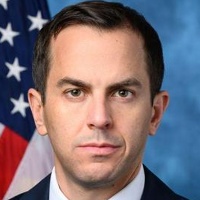
Robert Menendez
Representative
NJ-8
The Communities Before Air Tourism Act expands the Secretary of Transportation's authority to restrict or prohibit commercial air tours over national parks and tribal lands. This expansion specifically includes protecting the well-being of nearby communities. The bill mandates consultation with affected communities and Indian tribes when making these decisions.
Air Tour Restrictions Could Expand: New Bill Adds 'Community Well-Being' as Reason to Ground Flights
The “Communities Before Air Tourism Act” is looking to change the rules for commercial air tours flying over national parks and tribal lands. Right now, the Secretary of Transportation can restrict or ban these flights for reasons like protecting park resources, visitor experiences, or air traffic control safety. This bill adds a significant new reason to that list: protecting the well-being of communities overflown by the aircraft.
The New Bottom Line: Community Well-Being
This is the core change in Section 2. By adding “the well-being of communities overflown” as a legitimate reason for restriction, the bill gives residents near these flight paths a much stronger hand. Think about the folks who live right outside a popular national park or on tribal lands who have to listen to tourist helicopters all day long. Before, their noise complaints or concerns about quality of life were secondary to park resources or visitor experience. Now, their daily peace and quiet—their “well-being”—is officially on the checklist when the Department of Transportation decides whether to greenlight those flights. This means that if air tours are causing significant disruption, the Secretary now has the explicit authority to limit or ban them based solely on that community impact.
Who Gets a Seat at the Table?
Another crucial update is the required consultation process. The bill mandates that when the Secretary considers restricting air tours, they must consult with any community whose lands are, or may be, affected and with any Indian tribe. This is a big deal for local governance. It means the federal government can’t just make a decision from D.C. without input from the people on the ground. For a Tribal Nation, this strengthens their sovereignty by requiring their input on decisions affecting the air space above their lands. For a small town next to a park, it means their town council gets a mandatory audience to discuss how the flights are impacting their residents, rather than just waiting for a ruling.
The Trade-Offs: Quiet Streets vs. Business Uncertainty
While this is great news for those seeking peace and quiet, it introduces real uncertainty for the commercial air tour industry. The term “well-being of communities” is pretty broad. Does it mean noise levels? Air pollution? Visual disturbance? Since the bill doesn't define it, the Department of Transportation gets a lot of wiggle room to interpret what constitutes a threat to community well-being.
For a small air tour company that relies on flying over a national landmark, this vagueness is a potential business risk. A restriction based on community well-being could mean fewer tours, different routes, or even being shut down entirely, directly impacting jobs and local tourism revenue. This bill essentially shifts the regulatory balance, prioritizing local quality of life and consultation, but at the potential cost of creating a less predictable operating environment for the businesses that provide those aerial tours.