This bill expands the definition of a fishery resource disaster to include economic harm caused by the activities of foreign persons.
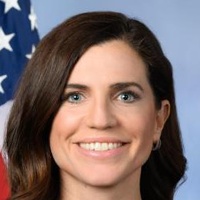
Nancy Mace
Representative
SC-1
The Protect American Fisheries Act of 2025 amends existing law to recognize economic harm caused by foreign activities as a trigger for fishery disaster declarations. This allows the Secretary of Commerce to declare a disaster if foreign actions, such as predatory pricing or market distortion, negatively impact the viability of American fisheries. Governors and tribal leaders must now document these foreign activities when requesting federal assistance.
Fisheries Disaster Relief Expands to Include Foreign Economic Attacks: What 'Predatory Pricing' Means for Your Seafood Bill
The new Protect American Fisheries Act of 2025 is trying to give the U.S. fishing industry a new shield. Simply put, this bill expands the definition of a "fishery resource disaster" to include economic damage caused by foreign activities, not just the usual natural disasters like hurricanes or oil spills. This means if a U.S. fishery goes belly-up because a foreign entity is deliberately messing with the market, they could now qualify for federal disaster assistance under Section 312(a) of the Magnuson-Stevens Act. The core goal is to protect domestic fishermen from what the bill calls "economic causes," such as predatory pricing or market-distorting subsidies from abroad.
When Economic Pressure Becomes a Disaster
Before this bill, if a fishing community was wiped out by a hurricane, they could apply for disaster aid. If they were undercut by cheap, subsidized foreign imports, they were mostly out of luck. This legislation changes that by defining an "economic cause" as any activity by a foreign person that "Distorts the market," "Disrupts the sustainable harvest," or "Hinders the operational or economic viability" of a U.S. fishery. Think of it this way: if a foreign government heavily subsidizes its tuna fleet, allowing them to sell fish in the U.S. for less than it costs our fishermen to catch it, that could now be considered a disaster-triggering event. The bill explicitly lists things like illegal fishing, forced labor, and predatory pricing as examples of these harmful foreign activities.
Who Is the 'Foreign Person' and Why It Matters
To get this new disaster aid, a Governor or Tribal Leader must submit a request documenting the adverse effects of these foreign activities. This is where things get broad. The bill defines a "foreign person" not just as a foreign government or individual, but also a U.S.-organized entity that is owned or controlled by a foreign person. This is a significant detail. It means that if a U.S.-based seafood processing plant is largely owned by a foreign company and that company engages in market manipulation that hurts independent American fishermen, that action could potentially trigger a disaster declaration. This broad definition could lead to complex legal situations, essentially pitting one U.S.-registered business against another based on ownership.
The Secretary’s New Authority: A Double-Edged Net
This bill gives the Secretary of Commerce significant new power. When evaluating a disaster request, the Secretary must now consider prices in the U.S. and export markets, and specifically evaluate any documented foreign activities contributing to the economic cause. Crucially, the Secretary can now determine a disaster has occurred due to any combination of natural, human-caused, or these new economic causes. While this provides a necessary safety net for fishermen facing unfair global competition—a clear benefit—it also introduces a lot of subjectivity. Terms like "distorts the market" or "hinders viability" are vague. This means the Secretary has considerable discretion to decide what level of foreign competition crosses the line from normal business to a "disaster." For U.S. taxpayers, this is important because they will ultimately fund any relief payments, and the lack of explicit standards for market distortion could open the door to declarations based on political pressure rather than strictly defined economic damage.