This Act mandates secret ballot requirements for certain union elections by removing alternative election methods previously allowed under the Labor-Management Reporting and Disclosure Act of 1959.
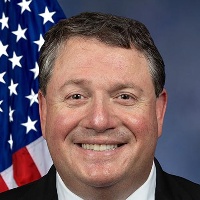
Randall "Randy" Fine
Representative
FL-6
The Protecting Union Representation and Elections Act (PURE Act) amends federal law to strengthen secret ballot requirements for certain union elections. Specifically, it removes alternative election methods, such as those conducted by convention or by certain representative officers. This ensures that officer elections within labor organizations adhere strictly to secret ballot procedures.
PURE Act Removes Two Key Methods for Union Officer Elections, Mandating Change in 18 Months
The Protecting Union Representation and Elections Act, or the PURE Act, is a short but significant piece of legislation that changes how some labor unions elect their officers. Essentially, this bill tightens the rules for internal union elections under the Labor-Management Reporting and Disclosure Act of 1959, specifically Section 401.
What it does is simple: it removes two previously allowed methods for conducting these elections. Unions will no longer be able to elect officers through a convention of delegates chosen by secret ballot, nor will they be able to elect officers via representatives who were themselves elected by secret ballot (SEC. 2). The bill dictates that these changes take effect 18 months after the Act becomes law, giving unions a grace period to adjust their bylaws and procedures.
The End of the Union Convention Election
For many of the largest, most geographically dispersed unions—think nationwide organizations representing utility workers, long-haul truckers, or building trades—elections by convention or by elected representatives were often the practical standard. Imagine trying to coordinate a direct, nationwide secret ballot election for a union with 500,000 members spread across 50 states. It’s a massive logistical lift, which is why electing delegates from local chapters to attend a national convention and vote on officers was a common, efficient, and legally accepted way to handle it.
By striking these options, the PURE Act effectively mandates that these unions must transition to a more direct, widespread secret ballot election process for their officers. While proponents might argue this increases direct democracy, for the unions currently using the convention method, this change is a substantial administrative headache. It forces them to overhaul their election infrastructure, potentially increasing costs and administrative burden significantly, especially for those with large, decentralized memberships.
Who Feels the Pinch?
The immediate impact falls squarely on labor organizations that relied on the procedural flexibility now being eliminated. For a union representing construction workers across several states, holding an election by convention saved time and money, allowing leaders to focus on collective bargaining and member services rather than constant, costly, large-scale direct mail or digital voting campaigns. Removing this option means those resources must now be diverted to election logistics.
This restriction on established, legal procedural options also creates a potential vulnerability. If a union struggles to implement the new, mandated direct secret ballot system within the 18-month window, internal factions or outside groups could use procedural non-compliance to challenge election results. It removes a tested, functional method of internal governance and replaces it with a mandate that might not be logistically feasible for every organization, regardless of the 18-month transition time.
In short, the PURE Act is a classic example of a bill that looks like a procedural tweak but has major real-world consequences. It restricts organizational autonomy and procedural flexibility for unions, forcing them into a one-size-fits-all election model that may be costly and difficult to execute for the very large unions that relied on the convention system for efficiency and representation.