The CLEAR Path Act extends post-employment lobbying restrictions for Senate-confirmed officials who seek to represent foreign governmental entities of "countries of concern" to influence U.S. government decisions.
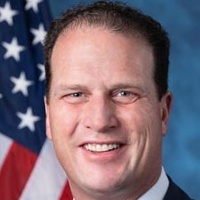
August Pfluger
Representative
TX-11
The CLEAR Path Act aims to reduce conflicts of interest for senior officials leaving government service by imposing extended post-employment restrictions. Specifically, it prohibits individuals who held Senate-confirmed positions from lobbying on behalf of foreign governmental entities from "countries of concern" before U.S. officials. The bill also establishes a formal Congressional approval process for the Secretary of State to modify the list of designated countries of concern.
CLEAR Path Act Imposes 5-Year Lobbying Ban on Ex-Officials Working for 'Countries of Concern'
The Conflict-free Leaving Employment and Activity Restrictions Path Act, or the CLEAR Path Act, is aiming to tighten the revolving door between high-level government service and foreign lobbying. Specifically, this bill extends post-employment restrictions on individuals who served in Senate-confirmed positions—think cabinet secretaries, agency heads, and their deputies. If enacted, these former officials would be prohibited from knowingly representing, aiding, or advising a foreign governmental entity from a designated “country of concern” before the U.S. executive or legislative branch with the intent to influence official decisions.
This new restriction, detailed in Section 3, doesn't last forever. It includes a five-year sunset provision, meaning the rule itself expires five years after the bill is enacted. For anyone appointed to one of these senior jobs after the bill becomes law, the clock starts ticking immediately on their extended lobbying ban. The departments they work for are required to notify them of these restrictions when they are appointed and again when they leave, so there's no excuse for saying, "I didn't know."
Who Gets the New Restrictions?
This bill targets officials in "Senate-confirmed positions," which covers nearly every senior leader in the executive branch. The goal is clearly to prevent those who just left sensitive national security or economic posts from immediately cashing in with foreign governments that pose a threat to U.S. interests. For the average person, this means that the people who had the most sensitive information and highest decision-making power will have a longer cooling-off period before they can use that access and knowledge for potentially adversarial foreign entities.
However, there’s a major carve-out that needs attention. The bill explicitly excludes representation by an attorney who is licensed in a U.S. jurisdiction and is acting in a "legal capacity or providing legal advice." This is a classic loophole setup. While it’s important for former officials to be able to hire lawyers, this provision (Section 3) could allow a former official to claim their influence activities are merely "legal advice" rather than lobbying, potentially undermining the entire purpose of the restriction. It’s a vague term that could be easily exploited.
The List of "Countries of Concern"
To figure out which countries trigger this ban, the bill refers to the existing definition of "country of concern" in the State Department Basic Authorities Act. But here's the twist: Section 3 explicitly excludes one specific country from the list as it exists on the date the CLEAR Path Act is enacted. This means that one currently designated country of concern gets a free pass from these new restrictions, which raises serious questions about why a blanket ethics rule needs a targeted exception.
Section 4 also creates a new mechanism for modifying this list. The Secretary of State, after consulting with the Attorney General, can propose adding or removing countries. However, this isn't a quick change. Any proposal must be approved by Congress through a specific "joint resolution of approval." This means that while the Secretary of State gets to propose changes, Congress retains the final say, ensuring that any modification to the list of countries subject to the lobbying ban becomes a highly political and public process.
The Real-World Impact and Fine Print
For the most part, this bill is a win for government integrity. It makes it harder for top officials to immediately monetize their service with foreign entities of concern, which is a good thing for national security and public trust. But the devil is in the details. The five-year sunset clause means this extended restriction isn't permanent, and Congress would need to act again to keep it in place. More importantly, the explicit exclusion of one specific country and the vague "legal capacity" loophole for attorneys are areas that could significantly weaken the bill’s effectiveness. If the goal is to fully prevent conflicts of interest, these specific exceptions need serious scrutiny.