This bill revokes the security clearances of former defense personnel who lobby for specific Chinese military companies.
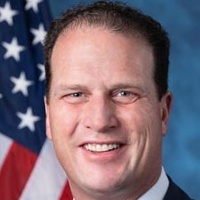
August Pfluger
Representative
TX-11
The Restricting Ex-Vetted Officials from Knowledge Exploitation (REVOKE) Act mandates the Secretary of Defense to suspend or revoke the security clearances of former military or DoD personnel who lobby for specific Chinese military companies. This prohibition applies to entities identified on both congressional defense reports and the Treasury Department's related list. The Secretary may grant a national security-based waiver for up to 180 days.
Former DoD Officials Face Security Clearance Revocation if Lobbying for Specific Chinese Military Firms
The newly introduced Restricting Ex-Vetted Officials from Knowledge Exploitation Act, or the REVOKE Act, mandates a significant change in how the Department of Defense (DoD) handles its former personnel. Specifically, it requires the Secretary of Defense to automatically suspend or revoke the security clearance of any retired service member or former DoD civilian employee who engages in lobbying for certain Chinese military companies. This prohibition is designed to be tough, applying “regardless of any other law,” meaning it aims to override existing rules if they conflict.
The Security Clearance Clawback: What’s Covered?
This isn't a blanket ban on working for foreign companies; it targets a very specific group. The prohibition kicks in only if the lobbying is done for an entity that appears on two separate government watchlists: the list of Chinese military companies under the National Defense Authorization Act (NDAA) and the Non-SDN Chinese Military-Industrial Complex Companies List published by the Treasury Department. If a former official lobbies for a company on both lists, their security clearance is immediately on the chopping block.
For former military officers or senior civilian staff, losing a security clearance is often the professional equivalent of losing a driver's license—it severely limits high-level career options in the defense and consulting sectors. The intent here is clear: to prevent individuals with deep knowledge of U.S. defense strategy and classified information from monetizing that expertise for entities deemed a national security risk. This acts as a powerful deterrent, ensuring that the revolving door doesn't spin too close to sensitive secrets.
The Discretionary Loophole
While the bill is mostly mandatory, it does include a small escape hatch. The Secretary of Defense has the authority to waive the revocation, but only for up to 180 days at a time. To grant this temporary reprieve, the Secretary must certify to Congress that the waiver is in the “national security interest of the United States.” This discretionary power is a double-edged sword. On one hand, it provides necessary flexibility for genuinely exceptional circumstances. On the other, the term “national security interest” is broad, giving the Secretary significant, temporary power without requiring a detailed public justification, which could potentially open the door to inconsistent application.
Real-World Impact: The Former Colonel and the Consultant
Consider a retired Air Force Colonel who spent 25 years working on sensitive logistics. Post-retirement, they join a consulting firm that is hired to lobby Congress on behalf of a large technology firm that happens to be on both specified Chinese military lists. Under the REVOKE Act, that Colonel’s security clearance—essential for their consulting work with U.S. defense contractors—would be immediately revoked. This bill directly restricts the post-government employment options for a highly specialized group of people, making it a high-stakes professional decision for anyone considering lobbying for these specific entities. It’s a move that prioritizes national security integrity over the career flexibility of former officials.