This Act establishes a joint task force and enhances penalties to combat the distribution of illegal drugs and goods through dark web marketplaces.
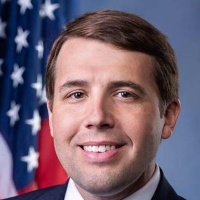
Chris Pappas
Representative
NH-1
The Dark Web Interdiction Act of 2025 aims to combat the illegal distribution of drugs, weapons, and other illicit goods facilitated by the anonymity of the dark web. This legislation establishes a dedicated interagency task force within the FBI to detect, disrupt, and dismantle dark web marketplaces. Furthermore, it creates a new federal offense for dispensing controlled substances via the dark web, complete with enhanced penalties. The Act also mandates reports on the use of virtual currencies in these illicit transactions to improve investigative capabilities.
New Federal Law Creates 'Dark Web' Crime, Boosts Penalties, and Launches FBI Task Force to Track Illegal Drug Sales
The newly proposed Dark Web Interdiction Act of 2025 is essentially the federal government drawing a hard line against using the anonymous corners of the internet for selling illegal goods, particularly drugs. In short, this bill does three major things: it creates a new federal crime for selling controlled substances on the dark web, it increases the penalty for that crime, and it launches a powerful, multi-agency task force within the FBI specifically dedicated to shutting down these illicit online marketplaces.
New Crime, Higher Stakes
Section 4 of this bill amends the Controlled Substances Act to define the "dark web"—basically, any part of the internet not indexed by standard search engines that requires specialized software or routing to access and hides user identities. Crucially, it makes it a specific federal offense to knowingly or intentionally deliver, distribute, or dispense a controlled substance using this dark web. This isn't just about catching the big fish; it’s about making sure that anyone facilitating these sales, from the drug vendor to the site administrator, faces serious consequences. To back this up, the bill mandates a 2-level increase in the Federal sentencing guidelines for anyone convicted of this new offense. If you’re caught slinging fentanyl or other illegal substances anonymously online, the law is now explicitly designed to hit you harder.
The FBI’s New Cyber-Narcotics Strike Team
The centerpiece of this legislation is the creation of the Joint Criminal Opioid and Darknet Enforcement Task Force (J-CODE) within the FBI (Section 5). This isn't just a new office; it’s an interagency powerhouse pulling in agents from the FBI, DEA, Homeland Security Investigations (HSI), Postal Inspection Service, and even the Department of Defense. This task force has a clear mandate: detect, disrupt, and dismantle illicit marketplaces—those dark web sites where you can buy drugs, weapons, stolen credit cards, and malware. For everyday people, this means law enforcement is getting a major upgrade in its ability to tackle sophisticated, anonymous crimes that often fuel the opioid crisis in communities nationwide. The Task Force will develop best practices for evidence collection, train local police on cyberforensics, and coordinate with international partners, recognizing that these marketplaces operate globally.
Following the Money: Virtual Currencies
Since traditional banking isn't an option for dark web transactions, virtual currencies are the payment method of choice. The bill recognizes this and, under Section 6, requires the Attorney General, in consultation with the Treasury and Homeland Security, to produce a detailed report within one year on how virtual currencies are being used to finance opioid distribution. This report needs to identify the most common types of virtual currency used, how they are exchanged (peer-to-peer, through exchanges, etc.), and assess the government's ability to investigate these transactions. For legitimate users of crypto, this signals increased scrutiny and potential compliance burdens for virtual currency exchanges and financial institutions, as the government sharpens its tools to track illegal funds.
The Fine Print: Broad Authority and Review
While the bill focuses narrowly on illegal activity, it grants the new Task Force Director significant leeway. The duties include engaging in “any other activities the Director determines are necessary” to achieve the task force’s goals (Section 5). This is a broad grant of power, though it is balanced by a requirement for the Director to submit annual reports detailing investigations, arrests, and performance measures to Congress. Furthermore, Congress built in a check on the definition of the “dark web” itself, requiring a review and potential update of the definition every five years (Section 7). This is a smart move, recognizing that technology evolves faster than legislation and ensuring the law doesn't become outdated in the face of new anonymizing tools.