This act expands eligibility for universal service support to include tribal lands and areas with high populations of Native Americans.
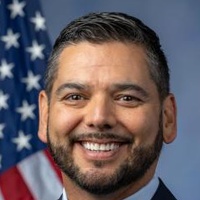
Raul Ruiz
Representative
CA-25
The Tribal Internet Expansion Act of 2025 amends the Communications Act to explicitly include "Indian country and areas with high populations of Indian people" as eligible areas for universal service support. This expansion aims to increase federal funding and resources dedicated to improving broadband and telecommunications access in these underserved communities.
Tribal Internet Act Expands Universal Service Funding Eligibility to Underserved Native Communities
The Tribal Internet Expansion Act of 2025 is making a targeted move to close the digital divide by updating who qualifies for federal communications funding. Specifically, Section 2 amends the Communications Act of 1934 to expand the definition of areas eligible for Universal Service Fund (USF) support. This funding mechanism, which is designed to ensure everyone in the U.S. has access to essential communication services, will now explicitly include “Indian country and areas with high populations of Indian people” alongside the existing “high cost areas.”
Where the Wires Don’t Run Yet
If you’ve ever tried to work remotely or stream a movie in a truly rural area, you know how crucial reliable internet is. For many tribal communities, that connection is spotty, slow, or nonexistent. This amendment aims to fix that by clarifying eligibility for USF dollars. Think of the USF as the pool of money that helps telecommunications companies afford the high cost of running fiber optic cables and building cell towers in remote locations where the return on investment is otherwise too low.
By explicitly adding “Indian country and areas with high populations of Indian people” (which references a definition from a 1934 Act), the bill removes any ambiguity about whether these areas qualify for the highest level of infrastructure subsidy. For a small business owner on a reservation, this could mean the difference between relying on dial-up speeds and getting the broadband access needed to run an e-commerce site or handle modern logistics. For students, it means homework doesn’t stop when they leave the school library.
The Real-World Impact of Eligibility
This isn't just bureaucratic language; it’s about unlocking capital. When an area is officially deemed eligible for USF support, it makes building infrastructure there a financially viable project for providers. Previously, many tribal areas fell into a gray zone, making it harder to secure the necessary funding commitments. This update clarifies the rules of the road, directing resources toward communities that have historically been overlooked in national broadband expansion efforts.
While the goal is clearly beneficial—getting essential services to underserved populations—the only potential snag might be the definition of “areas with high populations of Indian people.” If that referenced 1934 definition is geographically difficult to apply in 2025, it could lead to administrative headaches over who exactly qualifies for the funding. However, the intent is clear: to ensure that the USF, which you and I contribute to through our phone bills, finally reaches everyone who needs it, regardless of how remote their location is.