This bill officially designates the Guam and Western Pacific USDA Rural Development office as the representative for USDA Rural Development across Guam, the Northern Mariana Islands, American Samoa, and several Pacific nations, granting it the same rights as a state office.
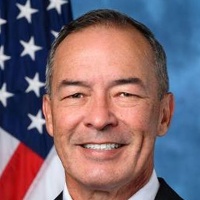
James (Jim) Moylan
Representative
GU
This Act officially designates the Guam USDA Rural Development office to serve as the primary representative for USDA Rural Development across Guam, the Northern Mariana Islands, American Samoa, and several Pacific nations. This designation grants the Guam office the same rights and responsibilities as a USDA Rural Development office in any U.S. state.
Guam USDA Office Gets Full State-Level Authority for Western Pacific Rural Development
The “Designating the Guam and Western Pacific USDA Rural Development Office Act” is a piece of legislation focused squarely on administrative clarity and regional support. Simply put, this bill takes the existing USDA Rural Development office in Guam and officially designates it as the central hub for services across a massive swath of the Western Pacific. Specifically, within 90 days of the bill becoming law, the Secretary of Agriculture must name the Guam office as the official representative for USDA Rural Development in Guam, the Commonwealth of the Northern Mariana Islands, American Samoa, the Republic of the Marshall Islands, Palau, and the Federated States of Micronesia (SEC. 2).
The Upgrade: State-Level Power
This isn't just about drawing new lines on a map; it's about authority. The core mandate of this bill is that the Guam office must be given the exact same rights and responsibilities that a USDA Rural Development office receives in any U.S. State (SEC. 2). Think of it like a promotion: the office goes from a regional outpost to a fully empowered state-level administrative center. For the average person living in these territories, this means the office should now have the full administrative muscle to allocate resources, approve loans, and manage programs with the same speed and scope as offices serving, say, Texas or Montana.
Why This Matters for Everyday Life
USDA Rural Development programs are critical for infrastructure and quality of life outside of major metropolitan areas. They cover things like loans for essential community facilities (think fire trucks, hospitals, and schools), housing assistance, and business development grants. Before this bill, administrative oversight for these geographically dispersed territories might have been fragmented or lacked a single, empowered point of contact. By centralizing and elevating the Guam office, the goal is to streamline access to these vital programs. For a small business owner in American Samoa looking for a loan to expand operations, or a community in the Northern Mariana Islands seeking funding for a new water system, this designation means dealing with a local, fully authorized office rather than navigating bureaucratic layers thousands of miles away.
The Administrative Catch
While the intent is clearly beneficial—granting state-level parity to improve service—the bill introduces a potential administrative wrinkle. It mandates the Guam office receive the “exact same rights and responsibilities” as a state office. This is generally great, but territories and sovereign nations (like Palau) have unique legal and political relationships with the U.S. government that differ significantly from U.S. states. The Secretary of Agriculture will need to carefully interpret how to apply state-level mandates without creating conflicts, especially when dealing with non-U.S. sovereign nations listed in the bill. The success of this administrative upgrade depends heavily on how the USDA handles this implementation and ensures the Guam office is adequately staffed and funded to manage this massive new jurisdiction.