Here are one-sentence summaries for each bill described: **Commonsense Legislating Act (Small Business Funding):** This act extends support for small businesses seeking federal research funding by extending the FAST Program and mandating targeted assistance to increase participation from underrepresented regions and institutions. **Commonsense Legislating Act (Native Tourism Grants):** This legislation establishes new federal grant programs, funded at $35 million annually, to support and improve tourism and visitor experiences within Native American and Native Hawaiian communities. **Commonsense Legislating Act (Military Spouse Tax Credit):** This bill expands the Work Opportunity Tax Credit to include the spouses of active-duty military personnel as an eligible category for the tax incentive. **Commonsense Legislating Act (Veteran Mental Health Outreach):** This legislation mandates that the VA proactively offer annual mental health consultations and outreach to veterans already receiving disability compensation for a mental health condition. **Commonsense Legislating Act (Package Theft Protection):** This act strengthens federal protections by criminalizing the theft of packages handled by interstate carriers from the time of delivery until the recipient physically takes custody of the property. **Commonsense Legislating Act (Working Families Task Force):** This legislation creates an Interagency National Task Force on Working Families, chaired by the Secretary of Labor, to examine family challenges and develop concrete recommendations for improving living standards. **Commonsense Legislating Act (Fentanyl Disruption):** This bill establishes a high-level Fentanyl Disruption Steering Group within the National Security Council to coordinate and oversee all federal efforts aimed at stopping fentanyl trafficking across ten major government agencies. **Commonsense Legislating Act (House Review Hearing):** This legislation mandates that every standing committee in the House of Representatives must conduct a review hearing within one year to assess the implementation of this Act's provisions. **Commonsense Legislating Act (House Ethics Conduct):** This act amends the official conduct code for House personnel by prohibiting them from serving as an officer or director of any publicly traded company to prevent conflicts of interest. **Commonsense Legislating Act (PAYGO Budgetary Impact):** This legislation sets the procedural requirement for calculating the budgetary impact of the entire Act using the most recent official PAYGO statement, which must be published in the Congressional Record before the final vote. **Commonsense Legislating Act (Funding Allocations):** This act allocates specific additional funding amounts from unallocated Treasury funds for fiscal year 2026 to support diverse federal programs, including diabetes research, the Congressional Research Service, the Marine Corps, and HUD inspections.
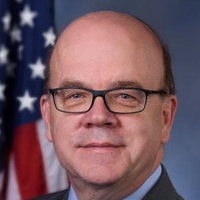
James "Jim" McGovern
Representative
MA-2
This comprehensive bill addresses several distinct areas of federal policy, including extending support for small business research funding and increasing outreach to underserved institutions. It also establishes new grant programs to boost tourism in Native American and Native Hawaiian communities and expands the Work Opportunity Tax Credit to include military spouses. Furthermore, the Act mandates proactive mental health outreach for veterans with service-connected mental health disabilities and strengthens federal protections against interstate package theft.
New Act Mandates Annual VA Mental Health Check-Ins and $35M/Year for Native Tourism Grants
The aptly named “Commonsense Legislating Act” is less a single focused bill and more a buffet of policy changes, touching everything from small business funding equity to military spouse employment and veteran mental health. If you’re busy, here’s the breakdown of what’s actually in the fine print and how it might hit your wallet, your career, or your community.
This bill starts by tackling equity in federal research funding. It extends the FAST Program—which helps small businesses navigate federal grant applications—until September 30, 2030, keeping a vital resource alive. Crucially, it mandates that the Small Business Administration (SBA) step up outreach and application assistance for businesses in states that historically get shut out of SBIR/STTR grants, and specifically targets researchers at minority and Hispanic-serving institutions. Translation: If you’re a startup founder outside of Silicon Valley or Boston, the government is supposed to start making it easier for you to get a piece of that federal R&D pie.
Proactive Check-Ups for Our Veterans and Support for Military Spouses
One of the most significant changes affects veterans. The bill requires the VA to proactively offer an annual mental health consultation to any veteran already receiving disability compensation for a mental health condition. This is a game-changer because it shifts the VA from a reactive system—waiting for a veteran to ask for help—to a proactive one, ensuring a mandatory yearly check-in. The bill makes it clear these check-ins do not automatically trigger a reevaluation of their existing disability pay, which removes a major fear barrier for veterans seeking care.
For military families, the Act expands the Work Opportunity Tax Credit (WOTC) to include “qualified military spouses” as a new category of eligible employee. WOTC gives businesses a tax break for hiring people from certain groups who face employment barriers. This means if your spouse is active-duty military, your job application just got a little more attractive to potential employers, hopefully easing the chronic employment struggles often faced by military families due to frequent moves.
Task Forces on Fentanyl and Family Finances
The bill also sets up two high-level task forces to tackle major national issues. First, it creates an Interagency National Task Force on Working Families (Section 7) tasked with figuring out how to make life cheaper and better for everyday people. This group, pulling members from ten different federal agencies (Labor, HHS, SBA, etc.), is required to meet quarterly to study inflation, childcare costs, housing, and wages, and then deliver concrete policy recommendations to Congress. This is a big deal because it forces the federal government to coordinate its efforts on cost-of-living issues rather than tackling them piecemeal.
Second, recognizing the urgency of the opioid crisis, the Act establishes a Fentanyl Disruption Steering Group within the National Security Council (Section 8). This group will coordinate efforts across ten major agencies—including State, Defense, and Justice—to streamline the national strategy against fentanyl trafficking, ensuring resources aren't wasted and efforts are aligned.
Tourism Grants and Package Protection
In a move toward economic development and cultural preservation, the legislation authorizes $35 million annually from 2026 through 2030 for federal grants specifically dedicated to supporting Native American and Native Hawaiian tourism (Section 3). These funds will flow through multiple agencies, including the Bureau of Indian Affairs and the Office of Native Hawaiian Relations, supporting everything from infrastructure to visitor services within these communities.
On a more domestic note, the Act strengthens federal protections against package theft (Section 6). If you’ve ever had a package swiped off your porch, this is for you. The bill makes it a clear federal crime to steal, embezzle, or fraudulently obtain property while it is in the custody of an interstate carrier, meaning protection applies until the intended recipient physically takes possession. This increases the federal penalties for porch pirates.
Ethics and Oversight: House Cleaning
Finally, the Act includes a significant ethics provision (Section 10) aimed at reducing conflicts of interest on Capitol Hill. It prohibits Members of the House, Delegates, and staff from serving as an officer or director of any public company. This is a direct attempt to prevent House personnel from having a foot in both the legislative and corporate worlds simultaneously, though it may limit the professional roles of some staff.
To ensure all these changes don't just sit on paper, the Act mandates that every standing committee in the House must hold a review hearing within one year of enactment to assess how the new law is being implemented (Section 9). This builds in a mechanism for Congress to check its own work shortly after the law takes effect.