This bill reauthorizes and increases the annual funding authorization for the West Valley Demonstration Project from 2027 through 2037.
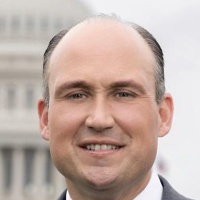
Nicholas Langworthy
Representative
NY-23
This bill seeks to reauthorize the West Valley Demonstration Project by significantly increasing its annual funding authorization. It raises the yearly funding limit from $\$75$ million (for 2020-2026) to $\$150$ million. This increased authorization is set to cover the fiscal years 2027 through 2037.
West Valley Nuclear Cleanup Project Gets Double Funding: $150 Million Authorized Annually Through 2037
This legislation is straightforward: it reauthorizes and significantly boosts the budget for the West Valley Demonstration Project (WVDP). Specifically, it amends the existing West Valley Demonstration Project Act to raise the annual funding authorization from $75 million to a hefty $150 million. This doubled funding level is set to kick in starting in fiscal year 2027 and run all the way through 2037.
What is the West Valley Project, Anyway?
If you haven't heard of it, the WVDP is a federal effort focused on cleaning up the site of a former commercial nuclear fuel reprocessing plant in West Valley, New York. Think of it as a massive, long-term environmental remediation job dealing with complex nuclear waste. When Congress authorizes funding for a project like this, it’s essentially setting the maximum amount of money the government can spend on it each year. The previous authorization was running out in 2026, so this bill ensures the work doesn’t stop and, in fact, gets a major cash injection.
Doubling Down on Cleanup
For the people working on the WVDP, and for the local community, this is a huge deal. Doubling the authorized funding to $150 million annually for the next decade (2027–2037) provides massive financial stability and certainty. This kind of long-term commitment means the project can hire and retain specialized staff, plan for major capital expenditures, and accelerate cleanup timelines. It suggests that the project is either entering a more intensive phase or that the original cost estimates were insufficient to complete the work efficiently.
The Real-World Cost and Benefit
On the benefit side, continued and increased funding means the environmental cleanup—dealing with things like high-level radioactive waste—is more likely to be completed safely and on schedule. This reduces long-term environmental risk for residents near the site. For the local economy, this provides a steady stream of high-paying federal contractor jobs for over a decade. However, this money doesn't just appear out of thin air. The clear implication of raising the authorized spending limit is that taxpayers will ultimately be footing the bill for this increased federal appropriation. While the environmental benefits are clear, the cost of this complex cleanup operation is now officially authorized to be much higher than previously planned, requiring a greater commitment of public funds over the next decade.