This Act improves veterans benefits for certain individuals who served in the forces of the Philippines and the Philippine Scouts by expanding eligibility criteria and requiring consideration of alternative documentation.
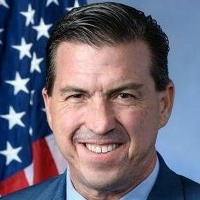
Kevin Mullin
Representative
CA-15
The Filipino Veterans Fairness Act of 2025 aims to improve veterans benefits for certain individuals who served in the forces of the Philippines and the Philippine Scouts. This legislation amends existing law to expand eligibility criteria and mandates that the Secretary of Veterans Affairs consider alternative documentation when verifying service. Furthermore, the Act requires an annual report to Congress detailing the number of applicants and approvals for these benefits.
Filipino Veterans Fairness Act Expands Benefit Access by Accepting Alternative Documentation, Sets 270-Day Implementation
This bill, the Filipino Veterans Fairness Act of 2025, aims to finally improve veteran benefits for individuals who served in the forces of the Philippines and the Philippine Scouts during World War II. It directly amends Section 107 of title 38, U.S. Code, which governs these specific benefits, by broadening the criteria for who qualifies and—crucially—how they can prove their service. The changes are set to take effect 270 days after the bill is enacted, meaning no benefits will be paid for any period before that effective date.
Cutting the Red Tape on Service Records
For decades, one of the biggest hurdles for these veterans has been proving their service using official, often lost or destroyed, records. This bill directly addresses that by requiring the Secretary of Veterans Affairs to consider “alternative documentation” when determining eligibility. This is a massive change. Right now, many applicants hit a wall if they aren't on the recognized guerrilla rosters stored at the National Personnel Records Center. Under this new rule, if the Secretary finds other documentation relevant—like sworn affidavits, unit histories, or other credible evidence—it must be considered. Think of it like finally being able to use bank statements or utility bills when you lost your original birth certificate; it opens the door for proof when the primary document is simply unavailable.
Expanding the Eligibility Pool
The legislation improves the eligibility criteria by inserting references to sections 1541 and 1542 of title 38, U.S. Code, into the existing benefit structure. These sections generally deal with benefits for non-service-connected disabilities and death pensions, suggesting the intent is to allow these specific Filipino veterans to access a wider range of existing VA benefits that were previously restricted. The bill essentially tells the VA to stop treating these veterans as a special, limited exception and to integrate them more fully into the general benefit framework. This means better access to the support systems the VA offers, which could translate into crucial financial assistance or medical care for aging veterans and their surviving spouses.
The Transparency Check
The bill also adds an important layer of oversight: an annual reporting requirement. Not later than March 1st each year, the Secretary must report to the House and Senate Veterans Affairs Committees. This report has to detail the number of individuals who applied for benefits under this section in the previous year and, critically, how many of those applications were actually approved. For everyday people, this means transparency. Congress will have clear, annual metrics on how effectively the VA is implementing the “Fairness Act” and whether the expanded criteria are actually resulting in more approved claims, or if the VA is still finding ways to deny eligibility.
What This Means for Implementation
While the bill is clearly beneficial, aiming to right a historical wrong by expanding access, the 270-day delay in the effective date is worth noting. This means the VA has nine months to update its regulations, train staff, and establish the new procedures for handling “alternative documentation.” For eligible veterans and their families who have been waiting for years, this delay means continued patience is required. Additionally, the bill explicitly excludes these veterans from a provision of the 2009 American Recovery and Reinvestment Act, which may simplify the administrative process by ensuring they are governed solely by the new, improved terms of Section 107.