This bill authorizes the construction of a new Department of Veterans Affairs hospital in the Rio Grande Valley of Texas, to be named the Sgt. Alfredo Freddy Gonzalez Memorial Veterans Hospital.
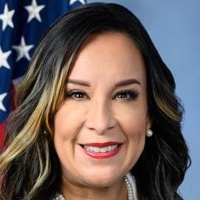
Mónica De La Cruz
Representative
TX-15
This Act authorizes the construction of a new Department of Veterans Affairs hospital in the Rio Grande Valley sector of Texas, pending Congressional appropriations. Upon construction, the facility will be officially named the Sgt. Alfredo Freddy Gonzalez Memorial Veterans Hospital.
VA Hospital Construction Authorized for Rio Grande Valley, Named for Sgt. Alfredo Freddy Gonzalez
The Sgt. Alfredo Freddy Gonzalez Memorial Veterans’ Hospital Act is short, sweet, and to the point: it gives the green light for building a new Department of Veterans Affairs (VA) hospital in the Rio Grande Valley sector of Texas. For veterans in that region, this is a significant step toward improving healthcare access, potentially meaning shorter drives and better availability of specialized services.
The Catch: Waiting for the Check
The bill is clear that the Secretary of Veterans Affairs has the authority to construct the hospital, but there’s a crucial caveat: the construction is “dependent on Congress making appropriations in advance for this specific purpose.” In plain English, the VA can’t break ground until Congress actually writes the check. This is standard procedure for major federal construction projects, but it means the timeline for veterans to actually see that hospital open depends entirely on future funding decisions. If Congress moves slowly on the appropriations side, the physical construction could be delayed, even with this authorization in place.
Honoring a Hero
The second major provision of the Act is the immediate naming of the authorized facility. From the moment this Act becomes effective, the hospital must be named the Sgt. Alfredo Freddy Gonzalez Memorial Veterans Hospital. Sgt. Gonzalez was a Medal of Honor recipient from the Vietnam War. This provision ensures that the facility will honor his legacy, and it requires all official government documents and records to use this specific name.
What This Means for the Valley
For the thousands of veterans living in the Rio Grande Valley, this authorization addresses a long-standing need for local, comprehensive healthcare. Currently, many veterans in the area must travel significant distances to access full-service VA facilities. A new hospital would mean less time on the road and more time getting care, which translates directly into better health outcomes. While taxpayers will eventually bear the cost of the construction and operation (once Congress appropriates the necessary funds), the immediate benefit is the official commitment to expanding healthcare infrastructure for those who served.