This Act establishes a pilot program to improve the documentation of incarcerated veterans in state and local facilities to better connect them with benefits and veterans treatment courts.
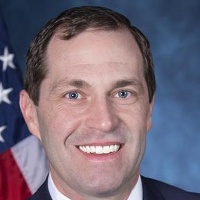
Jason Crow
Representative
CO-6
The Justice Involved Veterans Support Act aims to better identify and support veterans within the criminal justice system. It establishes a pilot program managed by the Attorney General and the VA to provide grants to state prisons and local jails for improving veteran documentation. This effort is intended to connect incarcerated veterans with necessary benefits and increase referrals to veterans treatment courts.
Pilot Program Launches to Identify 181,000 Incarcerated Veterans for Benefits and Treatment Courts
When we talk about policy, it’s easy to forget the people behind the numbers. But here’s one number that should stick: 181,000. That’s how many veterans are currently locked up in prisons and jails across the country. The Justice Involved Veterans Support Act is basically a massive effort to find those vets and connect them with the help they earned.
This bill sets up a pilot program, run by the Attorney General and the Secretary of Veterans Affairs (VA), to hand out grants and technical support to state prisons and local jails. The mission is simple but crucial: dramatically improve how correctional facilities document whether the people they hold are veterans. The goal isn't just counting heads; it’s about opening the door to benefits and specialized treatment.
The Data Gap and the Lifeline
Congress found that over half of all justice-involved veterans struggle with mental health conditions or substance abuse. Think about that—these are issues that often stem from service, yet many vets lose access to the VA support system the moment they enter the criminal justice system. They become invisible, and the bill aims to fix that.
The grants provided under this pilot program are specifically designed to help prisons and jails identify veterans so they can be connected to two key resources. First, it helps the VA and state veterans affairs offices deliver benefits, which could mean access to healthcare, mental health treatment, or housing assistance that could be critical upon release. Second, and perhaps most impactful, it aims to increase the number of veterans whose cases are referred to veterans treatment courts or diversion programs.
Prioritizing the Highest Need
Not every facility will get this funding right away. The bill is smart about where it directs resources, prioritizing three key areas. First, jurisdictions with the highest per capita veteran populations will get first dibs. Second, areas with the highest rates of veterans living in poverty are prioritized. This recognizes that economic hardship often intersects with justice involvement.
Finally, the program prioritizes facilities in jurisdictions that already have a veterans treatment court or a diversion program in place. This makes perfect sense: it’s easier to identify veterans if you already have a pathway ready to send them to a specialized court that focuses on rehabilitation and treatment instead of just punishment. This targeted approach ensures the grants go where they can have the most immediate impact.
Real-World Impact: The Treatment Track
For the average person, this bill might seem far removed, but the ripple effects are significant. When a veteran struggling with PTSD or addiction gets routed into a treatment court instead of a traditional prison sentence, the outcome is often better for everyone. Treatment courts provide supervised, intensive support, often leading to lower recidivism rates—meaning fewer people cycling back through the system. This saves taxpayer money and, more importantly, helps a veteran get their life back on track.
By ensuring correctional facilities accurately flag veterans, the bill is effectively activating a safety net that was previously inaccessible. It’s a low-vagueness, high-impact piece of legislation that directly addresses a documented need, making sure the people who served are not forgotten just because they ended up on the wrong side of the law.