This bill ensures the continued operation of the Office of Special Counsel's Hatch Act Unit during a government shutdown by deeming its investigative work as essential for safety and property protection.
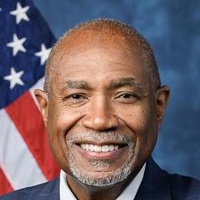
Herbert Conaway
Representative
NJ-3
This bill ensures the continued operation of the Hatch Act Unit within the Office of Special Counsel during a lapse in appropriations. It designates the unit's investigative work on Hatch Act violations as essential services related to the safety of human life or property protection. This allows the unit to continue functioning even without active funding.
Hatch Act Ethics Investigations Must Continue During Government Shutdowns Under New Bill
Ever wonder what happens to the government’s ethics watchdogs when Congress can’t agree on a budget? Usually, they get sent home. This bill, however, is a quick, surgical fix designed to keep one critical ethics unit running even when the rest of the government is locked out due to a funding lapse.
This legislation focuses solely on the Office of Special Counsel (OSC), specifically the team that investigates alleged violations of the Hatch Act. The Hatch Act is the law that restricts political activity by federal employees—basically, it keeps politics out of the workplace. The bill’s single section classifies the services provided by these investigators during a shutdown as necessary for “emergencies involving the safety of human life or the protection of property.”
The Shutdown Loophole
When the government shuts down, most federal employees are furloughed because a 19th-century law (the Antideficiency Act) generally prohibits agencies from incurring obligations—like paying salaries—without an appropriation. The only exceptions are functions deemed essential for safety or property protection. This bill doesn’t change the Hatch Act itself; it simply reclassifies the enforcement of it.
By designating Hatch Act investigations as an “essential” service for the purposes of avoiding a shutdown, the bill ensures that the OSC’s ability to police political conduct in the federal workforce doesn't stop just because Congress is fighting over money. Think of it as putting the ethics enforcement team on the same “must-work” list as air traffic controllers and border patrol agents during a funding lapse.
Why This Matters to You
For the average person, this might seem like bureaucratic fine print, but it’s actually about continuity and confidence in government. If you’re a federal employee, this means the rules governing your political activity—what you can and can’t say or do on the job—remain fully enforceable, even during a shutdown. If you’re a member of the public, it means the mechanism designed to keep federal agencies from becoming partisan political tools stays fully operational. The goal is to prevent any potential bad actors from using the chaos of a government shutdown as a window to violate ethics rules without immediate consequence.
This is a low-vagueness bill with a very specific, technical goal: to prevent a lapse in ethics oversight. It’s a procedural move that ensures the accountability system doesn't take an unscheduled break, maintaining a critical check on the political neutrality of the federal workforce regardless of the drama happening on Capitol Hill.