This Act establishes a pilot program to provide grants and forgivable loans for whole-home repairs to eligible homeowners and landlords of affordable rental units.
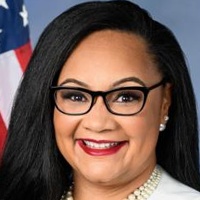
Nikema Williams
Representative
GA-5
The Whole-Home Repairs Act of 2025 establishes a pilot program administered by the Department of Housing and Urban Development to provide grants and forgivable loans for essential home repairs. These funds will go to local implementing organizations to assist eligible homeowners and landlords of affordable rental units with accessibility, habitability, and efficiency upgrades. The program aims to preserve affordable housing and ensure safe living conditions while maximizing coordination with existing federal, state, and local repair resources. This pilot program is authorized to operate until October 1, 2031.
Pilot Program Diverts $30 Million from Lead Remediation to Fund Low-Income Home Repairs and Cap Rent Hikes for 3 Years
The “Whole-Home Repairs Act of 2025” establishes a pilot program designed to tackle two major headaches for working families: the high cost of essential home repairs and the instability of rising rents. This bill directs the Secretary of Housing and Urban Development (HUD) to set up a grant program for “Implementing Organizations” (state and local governments or qualified nonprofits) who will then distribute funds. These funds will come in two flavors: grants for eligible low-income homeowners and forgivable loans for small landlords who own affordable rental units.
The Fix-It Fund for Homeowners and Small Landlords
If you’re a homeowner earning 80% or less of your area’s median income, this bill is designed to help you pay for necessary repairs not covered by other federal programs. We’re talking about “Whole-Home Repairs,” which the bill defines broadly to include everything from installing accessibility ramps and bathroom modifications to fixing habitability issues (like leaky roofs or bad plumbing) and making energy efficiency upgrades. The goal is to keep people safe, warm, and in their homes.
For eligible landlords—those who own fewer than 10 rental properties and whose units are mostly affordable—the bill offers forgivable loans to fix up their properties. This is a big deal because it helps preserve existing affordable housing stock, which is often older and needs expensive repairs. However, there’s a major catch for landlords: to get the loan, they have to agree to specific tenant protections for at least three years after the repairs are done. This includes offering current tenants lease extensions and, critically, capping annual rent increases at the lower of 5% or the rate of inflation. If the landlord keeps their end of the bargain, the loan is forgiven.
The Trade-Off: Where the Money Comes From
While the program’s intent is clearly positive—improving housing quality and stability—it’s important to look at the fine print on funding. The bill authorizes up to $30 million for the pilot program, but it directs HUD to pull that money from existing appropriations for the Office of Lead Hazard Control and Healthy Homes. This is essentially a zero-sum game. For every dollar spent making energy-efficient upgrades or fixing a roof under this new pilot, there’s a dollar less available for established programs focused on removing lead paint and other serious health hazards, which disproportionately affect children in older, low-income homes. The question is whether the broad benefits of the Whole-Home Repairs program outweigh the potential reduction in lead remediation efforts.
Navigating the 3-Year Affordability Maze
The landlord requirements are the bill’s strongest feature for renters. Capping rent increases at 5% or inflation for three years (Section 2) provides a real shield against the kind of massive, unexpected rent hikes that destabilize a family’s budget. For a working parent trying to manage childcare and gas prices, knowing their rent is locked down for three years is huge. However, the bill only requires the unit to remain affordable for the remainder of the three-year period if a tenant moves out. This means if a landlord finds a way to terminate a tenancy legally (for non-payment or lease violations), they are only bound to keep the unit affordable for the remaining term, not necessarily for a new three-year commitment, which could create pressure points for tenants.
The Implementation Challenge
This pilot program is set to run until October 1, 2031, and aims to fund between 2 and 10 Implementing Organizations each year. HUD is tasked with coordinating this new effort with existing federal, state, and local repair programs to avoid redundancy. This sounds great on paper, but combining government programs is notoriously difficult. The bill also gives HUD broad authority to set the maximum repair amounts based on “local costs and repair needs” without defining objective metrics, which means the amount of help you get could vary widely depending on how your local Implementing Organization sets its benchmarks. The success of this program will heavily depend on whether these local organizations can cut through the red tape and get the money out the door efficiently to the people who need it most.