This Act waives matching fund requirements for full federal funding of recovery efforts following wildland fires caused by Forest Service management activities.
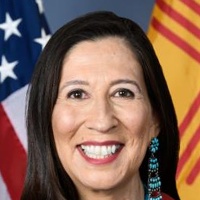
Teresa Leger Fernandez
Representative
NM-3
The Responsible Wildland Fire Recovery Act ensures that parties harmed by wildland fires caused by Forest Service management activities can receive 100 percent federal funding for recovery costs. This is achieved by granting the Secretary of Agriculture the authority to waive matching fund requirements for rehabilitation projects in areas affected by such fires. The goal is to fully cover direct and indirect damages resulting from these management-caused incidents.
New Act Promises 100% Federal Payout for Wildfire Damage Caused by Government Land Management
The newly proposed Responsible Wildland Fire Recovery Act aims to change how recovery is funded when a wildland fire starts on National Forest System land due to the Department of Agriculture’s management activities. Simply put, if the feds accidentally start a fire, they’ll pay for 100% of the cleanup and recovery costs.
When the Feds Start the Fire
This bill focuses on what it terms a “Covered wildland fire”—a fire that the Secretary of Agriculture determines “resulted from management activities” on National Forest System land. This covers everything from a prescribed burn that gets out of control to any fire that impairs a watershed, including both direct and indirect damages. The core promise here is that parties harmed by these specific fires—which could be a neighboring county, a local tribe, or even an individual homeowner—can receive 100 percent funding for recovery costs through approved Federal programs (Sec. 2).
Waving the Cost-Share Goodbye
Normally, when the federal government provides funds for recovery or rehabilitation projects, they operate on a cost-share model. This means the state, tribe, locality, or even an individual has to come up with a “matching requirement” (cash or in-kind services) to get the federal money. Think of it like a 75/25 split, where the local entity covers that 25%. This bill gives the Secretary of Agriculture the authority to waive this matching requirement entirely for any project responding to a Covered wildland fire (Sec. 3).
What does this mean in the real world? Say a fire started by a poorly managed logging operation burns across a county line, damaging local infrastructure and private property. Without this waiver, the county might have to scramble to find millions in local taxes just to cover their share of the road repair or watershed rehabilitation costs. With the waiver, the financial burden is lifted completely, potentially speeding up recovery because local entities don't have to wait to raise matching funds.
The Catch: Who Decides?
While the 100% funding sounds great for fire-affected communities, there's a key detail to watch: the entire process hinges on the Secretary of Agriculture’s determination. The fire must be officially declared a “Covered wildland fire,” meaning the Secretary must agree that it “resulted from management activities” (Sec. 3). This determination is the gatekeeper for the full funding and the cost-share waiver. If that determination is subjective or slow, communities might still face delays.
In essence, this bill is about accountability. It acknowledges that if the government’s land management actions cause damage, the government should bear the full financial responsibility for the fix, rather than passing part of the bill back to the local communities already dealing with the disaster.