This bill prohibits financial institutions from charging insufficient funds and credit card late fees to federal employees and military personnel during government shutdowns.
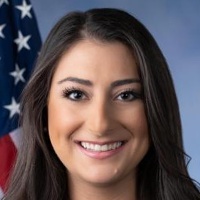
Sara Jacobs
Representative
CA-51
The Protect Military and Federal Employees from Unfair Bank Fees Act prohibits financial institutions from charging insufficient funds fees and credit card late fees to federal employees and military personnel during periods of government shutdowns. This protection applies to "covered persons" who work without pay due to a lapse in appropriations. The goal is to shield these individuals from unnecessary financial penalties during federal funding gaps.
Banks Banned From Charging NSF and Late Fees to Federal Workers During Government Shutdowns
This legislation, titled the Protect Military and Federal Employees from Unfair Bank Fees Act, is straightforward: it stops financial institutions from hitting federal employees and military personnel with specific fees when the government shuts down and they aren't getting paid. Specifically, it targets two major pain points: insufficient funds (NSF) fees and credit card late fees. If you’re a federal worker or service member who is furloughed or working without pay during a funding lapse, this bill aims to give you a financial safety net against your bank.
The Shutdown Safety Net for Your Checking Account
Let’s be honest, when the government stops funding, paychecks stop flowing, but the bills don't. This bill directly addresses the nightmare scenario where a federal employee’s rent check bounces or their automatic utility payment fails because their account balance went to zero waiting for a paycheck. Under Section 2, financial institutions cannot charge any fee related to having insufficient funds (NSF) to pay or reject a debit transaction. This protection kicks in immediately when appropriations lapse—what the bill calls a “covered period”—and applies only to “covered persons,” meaning those federal civilian and military employees who are either furloughed or working without pay.
Credit Card Relief: No More Late Fees
In addition to protecting checking accounts, the bill also shields federal workers from credit card late fees. If you’re a cardholder and your payment due date falls within that “covered period” (the shutdown), the card issuer cannot impose any fee or charge for that late payment. This is a crucial break, especially since credit card late fees can be steep and quickly compound financial stress. The definition of a credit card here is broad, even including government-issued purchase cards used by these employees for official business. This provision recognizes that when one part of the personal budget—the income—freezes up, expecting timely debt payments is unrealistic.
Who Gets the Protection and When?
The bill is precise about who qualifies and when. The protection is strictly limited to the “covered period,” defined as any time when the federal government is operating without appropriations. The “covered person” is defined as an individual employed in the civil service, Armed Forces, or uniformed services who is either furloughed or working without pay during that lapse. This means if you’re a federal employee or military member, the moment the shutdown hits and your pay is delayed, your bank and credit card company are supposed to stop charging you these specific fees. It’s a targeted measure designed to protect the financial stability of those who are essentially forced to work for free, or not at all, due to a political stalemate. While this is a clear benefit for the employees, financial institutions will bear the cost of lost fee revenue during these periods, which is a predictable consequence of providing this necessary protection.