This bill establishes a pilot program to provide mobile and temporary dental care services to veterans residing in underserved rural areas from 2026 to 2029.
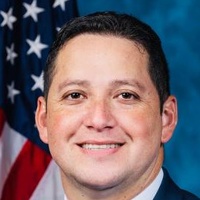
Ernest "Tony" Gonzales
Representative
TX-23
The Rural Veterans Dental Care Act establishes a pilot program, running from 2026 to 2029, to provide dental care specifically to veterans residing in rural and highly rural areas. This program will utilize mobile dental clinics, vans, and temporary structures to reach underserved populations located far from existing VA facilities. The Secretary of Veterans Affairs must report annually on the program's effectiveness, costs, and recommendations for future action.
VA to Launch Mobile Dental Care Pilot for Rural Veterans Starting in 2026
If you’ve ever tried to get a dentist appointment in a rural area, you know the drill—it often means a long drive, maybe even a day off work, just for a cleaning. For veterans in highly rural areas, the challenge is often worse, especially if they aren't near a VA facility. The Rural Veterans Dental Care Act is trying to fix this by launching a pilot program that brings the dentist chair directly to them.
Starting on October 1, 2026, and running until September 30, 2029, the Department of Veterans Affairs (VA) will establish the Rural Veterans Dental Care Pilot Program. The mission is simple: provide dental care to veterans living in rural and highly rural areas. This isn’t a permanent fix yet—it’s a three-year test run to see what works and how much it costs.
The Dentist Is Coming to You
How will the VA actually deliver this care? They are getting creative with mobile solutions, which is a smart move when infrastructure is the main hurdle. The bill specifically authorizes three methods for delivery:
- Dental Vans: Fully equipped vehicles for diagnosis and treatment, essentially a dentist's office on wheels.
- Modular Clinics: Containerized or mobile clinics set up at existing community-based outpatient clinics or rural health fairs.
- Temporary Setups: Using tents or other temporary structures during VA outreach events.
This flexibility is key. Instead of forcing veterans to travel 100 miles, the VA can roll up to a local community center or a health fair and provide immediate care. Think of it as a pop-up dental service, making routine care—or even necessary procedures—far more accessible.
Priority for the Most Isolated
The VA won't just be picking locations at random. The bill sets clear criteria to ensure the program hits the areas that need it most. The VA must prioritize locations that meet three specific conditions:
- The location must be more than 75 miles from an existing VA dental clinic.
- The area must have a high number of veterans whose dental needs are currently unmet.
- The location must be a rural or highly rural area with a substantial veteran population.
This means the program is laser-focused on addressing geographic isolation. If you’re a veteran living way out past the last paved road, this bill is designed specifically to reach you. It’s a direct response to the reality that distance often equals denial of care.
The Three-Year Report Card
Since this is a pilot program, accountability and data collection are built into the structure. The Secretary of Veterans Affairs is required to send annual reports to Congress (specifically the Veterans Affairs Committees) every September 30th until the program ends. These reports must detail the total number of veterans served, the exact locations used, and, crucially, the costs associated with each delivery method (vans vs. modular clinics vs. temporary tents).
This data is the whole point of the pilot. By tracking costs and effectiveness over three years, the VA will have the information needed to recommend whether the program should be improved, expanded, or made permanent. For veterans in rural areas, this is a positive step toward better access, proving that sometimes, the best solution is simply finding a better way to get the service to the person who needs it.