The THRIVE Act of 2025 establishes a VA task force to assess, develop frameworks for, and recommend improvements for veteran access to complementary and integrative health therapies for conditions like PTSD, TBI, depression, and anxiety.
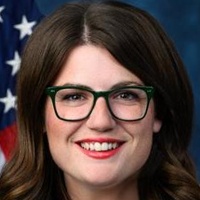
Sarah Elfreth
Representative
MD-3
The THRIVE Act of 2025 mandates the establishment of an Interagency Task Force on Complementary and Integrative Health within the VA. This task force will assess and develop a framework for evaluating the effectiveness of various integrative therapies, such as acupuncture, yoga, and peer-led programs, for treating conditions like PTSD and depression. Its goal is to determine how the VA can best expand access to these proven complementary approaches to improve veteran mental health and well-being.
VA Task Force Mandated to Assess Yoga, Acupuncture, and Peer Support for Veterans' Mental Health within One Year
The Transforming Healing, Resilience, and Integrative Veteran Engagement Act of 2025, or the THRIVE Act, kicks off with a mandatory shake-up of how the VA approaches veteran mental health. This section demands that the Secretary of Veterans Affairs establish a Task Force on Complementary and Integrative Health within 90 days. This isn't just another committee; it’s a direct order to study and potentially integrate non-traditional therapies—think acupuncture, yoga, meditation, and peer-led support—into the VA’s standard continuum of care for veterans struggling with PTSD, TBI, depression, and anxiety.
The Whole Health Deep Dive
For veterans and their families, this task force represents a potential shift away from a strictly pharmaceutical or traditional therapy-focused approach. The group is specifically tasked with developing a framework to determine the effectiveness of therapies like biofeedback, clinical hypnosis, guided imagery, massage, tai chi, and, crucially, peer-supported programs. If you’re a veteran who found relief from anxiety through a community yoga class, this bill is designed to figure out how to make that option available inside the VA system. The task force must also analyze factors that cause veterans to drop out of treatment or relapse, suggesting that the goal is better retention and long-term recovery, not just initial treatment.
Who’s at the Table?
This isn't an internal VA echo chamber. The task force membership is intentionally broad, pulling in VA leadership, clinicians who actually treat veterans with PTSD and TBI, researchers from academic institutions, and representatives from veteran service organizations (VSOs). Crucially, the bill mandates including a representative from a community-based program that has a proven track record of success using these complementary approaches. This inclusion is key because it brings real-world experience and results from outside the federal system directly into the decision-making process, ensuring the VA isn't just studying theoretical models but actual successful programs.
The Clock is Ticking for Change
The timeline is aggressive. The task force must submit its recommendations to the Secretary within one year of its establishment. Those recommendations cover everything from increasing current access to identifying gaps in research and provider training. The Secretary then has 90 days to report those findings to Congress, followed by another 180 days to deliver a full plan for addressing the recommendations. This structured reporting schedule means the VA can't just study the issue and shelve it; they are legally required to develop a public action plan. While the task force terminates after submitting its initial recommendations, the reporting requirements ensure the momentum continues toward implementation.
Peer Support Gets the Spotlight
One of the most significant definitions in this section is the emphasis on peer-led models and community-based programs. The bill defines peer-led models as programs where veterans with personal experience provide counseling, mentoring, or support as a supplement or alternative to clinical services. For many veterans, talking to someone who has been there is essential. By formally assessing and potentially integrating these models, the VA acknowledges the critical role of veteran-to-veteran support. This could mean more funding and formal recognition for VSO and nonprofit programs already doing this difficult work, making it easier for veterans to find effective, relatable support outside of traditional clinical settings.