This bill rescinds and prohibits all federal funding for New York City while Zohran Mamdani serves as mayor.
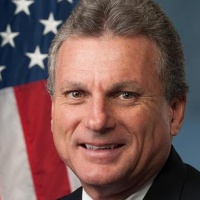
Earl "Buddy" Carter
Representative
GA-1
The MAMDANI Act, or Moving American Money Distant from Anti-National Interests Act, would immediately rescind all unobligated federal funds currently available to New York City. Furthermore, the bill prohibits the obligation or spending of any new federal funds for the city as long as Zohran Mamdani serves as mayor.
MAMDANI Act Threatens Total Federal Funding Cutoff for NYC Based on Single Elected Official
Imagine your city’s entire federal budget—money for everything from public transit to housing assistance to infrastructure repairs—suddenly vanishing because Congress decided they didn’t like one person in City Hall. That’s the core of the MAMDANI Act, which stands for the Moving American Money Distant from Anti-National Interests Act.
This bill is short, direct, and exceptionally punitive: As long as Zohran Mamdani serves as the mayor of New York City, all unobligated Federal funds available to NYC are immediately rescinded (taken back by the Federal government), and no new Federal funds can be obligated or spent in the city for any purpose. This is a total, targeted financial freeze tied explicitly to the tenure of a single elected official. It’s not about cutting a specific program; it’s about shutting off the entire federal spigot for one of the nation's largest cities.
The Immediate Financial Fallout
When a bill mandates the rescission of all unobligated funds, it means any federal money the city had planned to spend but hadn't yet officially committed to a contract or purchase order is gone, effective immediately. And the prohibition on new obligations means that crucial programs relying on federal grants—think public housing maintenance, transit upgrades, or even federal disaster preparedness funds—would instantly dry up. For the 8.3 million residents of New York City, this isn't a political squabble; it’s a crisis for essential services.
Consider the MTA worker who relies on federal grants to fund the next phase of subway signaling upgrades, or the small construction business whose contract for a federally funded bridge repair is suddenly put on ice. This provision (SEC. 2) doesn't just impact city bureaucrats; it directly affects the livelihoods of countless contractors, municipal employees, and, most importantly, the millions of people who rely on those services every single day. The impact on federally supported social services, like food assistance programs or housing vouchers, would be immediate and devastating.
A Highly Targeted Sanction
What makes this bill highly unusual is that the financial sanction is not based on the city's financial mismanagement, failure to comply with federal law, or a specific policy dispute. It is based solely on the identity of the person holding the office of mayor. This raises significant questions about the use of federal funding as a tool for political punishment against local governance. It’s essentially holding the entire population of the city hostage over the presence of one individual in office. The bill is crystal clear in its targeting, leaving no room for interpretation or negotiation.
For taxpayers, this means that even though they contribute federal taxes, their city would be denied the return of those funds to support local needs, potentially leading to massive budget shortfalls that would have to be covered by local property and sales taxes, or by severely cutting services. While the Federal government would benefit by getting to reclaim the unobligated funds, the cost would be borne entirely by NYC residents, who would see their quality of life decline as essential, federally supported infrastructure and social programs grind to a halt. This is a clear case where a political action results in a disproportionate impact on everyday people, making it a piece of legislation that demands serious scrutiny.