The UNtaxed Act prohibits the United Nations from imposing taxes or fees on U.S. citizens and companies and restricts federal funding for any UN-led global carbon tax initiatives.
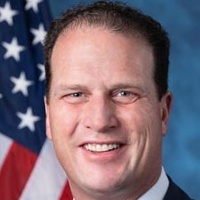
August Pfluger
Representative
TX-11
The UNtaxed Act prohibits the United Nations and its affiliated bodies from imposing taxes, fees, or penalties on U.S. citizens and companies without formal Senate approval. Additionally, the bill restricts U.S. funding for any UN organization involved in the implementation or enforcement of a global carbon tax.
UNtaxed Act Prohibits United Nations Fees on U.S. Citizens and Blocks Global Carbon Tax Funding
The UNtaxed Act is a targeted piece of legislation designed to keep international hands out of American wallets. At its core, the bill prohibits the United Nations or any of its affiliated agencies from charging U.S. citizens or companies any taxes, tariffs, or fees. The only way around this is if the U.S. Senate formally signs off on a specific international agreement that allows for those charges. Essentially, it creates a legislative firewall between global organizations and your bank account, ensuring that if you're paying a fee to an international body, your elected representatives have explicitly said it’s okay.
Drawing a Line in the Sand
The bill specifically zeroes in on the concept of a 'global carbon tax.' It defines this as a tax applied to fuel used by ships (vessels) based on how much greenhouse gas they emit. Under Section 3, the U.S. would be barred from sending any money—whether it’s our required annual dues or extra voluntary donations—to the UN if that money is going to be used to create, enforce, or manage a carbon tax. For someone working in logistics or at a port, this could mean avoiding a new layer of international costs that usually get passed down to the consumer. However, it also means the U.S. is effectively pulling its financial weight away from certain global climate initiatives, which could change how we negotiate environmental deals with other countries.
Sovereignty vs. Global Cooperation
While the bill protects a small business owner importing goods from sudden UN-levied tariffs, it also sets up a potential roadblock for international problem-solving. By requiring Senate approval for every single fee or penalty (Section 2), the bill ensures high-level oversight but could also make it harder for the U.S. to participate in fast-moving international agencies that rely on shared fee structures to function. If you care about global cooperation on things like maritime safety or international mail, this bill adds a layer of bureaucracy that might slow those systems down. On the flip side, if you’re skeptical of 'taxation without representation' on a global scale, this bill acts as a direct check on international overreach.
The Cost of Carbon Policy
The most immediate impact would likely be felt in the shipping and energy sectors. By blocking funds for a global carbon tax on vessels (Section 4), the bill aims to prevent a scenario where the cost of moving goods across the ocean spikes due to new environmental fees. For the average person, this might keep the price of imported electronics or clothes from rising. However, the trade-off is a significant hit to the UN’s ability to coordinate a unified global response to climate change. Because the bill is so specific about 'vessel greenhouse gas emissions,' it directly shields the shipping industry but may leave the U.S. on the sidelines of future international climate agreements that rely on these types of funding mechanisms.