The Warrior Road Act prioritizes federal highway funding and project listings to enhance national defense and civil defense readiness across the states.
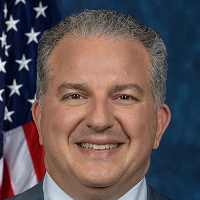
Jimmy Patronis
Representative
FL-1
The Warrior Road Act focuses on strengthening national defense through improvements to the nation's highway system. It requires the Secretary of Transportation to develop priority listings of highway projects related to civil defense and submit a report on projects that promote national defense. Furthermore, the bill mandates that funding decisions for discretionary grants and state apportionments prioritize projects designated as important to national defense.
Highway Funding Shifts to Prioritize Military Readiness: Every State Must List Three 'Warrior Road' Projects
The aptly named Warrior Road Act isn't about building new roads; it’s about changing the criteria for which roads get federal funding and why. This legislation mandates that national defense and civil defense become top priorities in federal highway planning and grant distribution. Essentially, it ensures that when state and local transportation planners decide where to spend highway money, they must first consider projects that benefit military readiness and emergency response.
The Civil Defense Checklist
Section 2 of the Act focuses on hardening our infrastructure for emergencies. It requires the Secretary of Transportation to create a Highway Project Priority Listing for civil defense. This isn't just a suggestion; the list must include the three highest-priority civil defense projects from every single state. Think of this as the government identifying the most crucial bridges, overpasses, or evacuation routes that need to be reinforced or rebuilt to handle major crises—whether that’s a natural disaster or a national security event. To keep this list current, the Secretary must consult with the Federal Emergency Management Agency (FEMA) every two years to consider updates and reprioritizations. This means FEMA and DOT will be working hand-in-glove on infrastructure planning, which should, ideally, make disaster response smoother.
Prioritizing the Pentagon’s Pavement
Section 4 is where the real shift happens in your local transportation budget. It mandates that when the Department of Transportation awards discretionary grants—the big pots of money states compete for—it must give priority to projects already designated as important for national defense (under sections 210 and 311 of Title 23). But the requirement doesn't stop with discretionary grants. To receive standard apportionment funds (the money states get automatically based on formulas), states and Metropolitan Planning Organizations (MPOs) must guarantee they will also prioritize these same defense-critical projects.
What does this mean for the average commuter? If your state has a choice between funding a project that eases rush-hour congestion in a major city and a project that strengthens a bridge vital for moving military equipment near a base, the law now leans heavily toward the defense project. While strengthening infrastructure is generally a good thing, this provision could mean that projects focused purely on local economic development, pollution reduction, or routine safety improvements might face tougher competition for federal dollars, potentially delaying fixes for potholes and bottlenecks that affect your daily drive.
The Annual Defense Road Report
To keep Congress in the loop, Section 3 requires the Secretary of Transportation to submit a comprehensive report within one year. This report, prepared in consultation with the Secretary of War (or the modern equivalent, the Secretary of Defense), must list highway improvement projects that promote national defense and align with existing highway funding goals. Crucially, this list must also include at least three of the highest-priority defense projects from every state. This establishes a clear, recurring focus on military infrastructure needs, ensuring that defense priorities are front and center in both planning and funding discussions across the country.