The AI–WISE Act directs the Small Business Administration to develop and publish accessible educational resources and modules on artificial intelligence for small businesses.
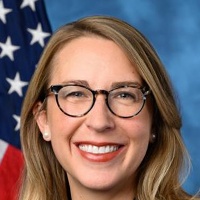
Hillary Scholten
Representative
MI-3
The AIWISE Act directs the Small Business Administration (SBA) to develop and publish free, publicly accessible educational resources and modules about artificial intelligence (AI) for small businesses. These materials must cover topics like how AI works, risk management, privacy, and best practices for adoption. The SBA must ensure the content is accurate, current, and actionable, coordinating with experts and resource partners to support small business understanding and effective use of AI.
SBA to Launch Free AI Training for Small Businesses Within 6 Months: No New Funding Attached
Alright, let's talk about something that could actually help your business navigate the wild world of Artificial Intelligence. We're looking at the AI–WISE Act, which is basically setting up a free, online AI crash course for small businesses, straight from the Small Business Administration (SBA).
Your New AI Playbook
So, what's the deal? This bill, officially called the Artificial Intelligence Wisdom for Innovative Small Enterprises Act, is telling the SBA to get busy creating a whole suite of educational materials and modules about AI. Think of it as a comprehensive guide to AI, specifically tailored for folks running small shops, managing teams, or building their businesses. It's all going to live on an existing SBA online learning platform, so it should be pretty easy to access once it's up and running. The SBA Administrator has 180 days from the Act's enactment to get this whole thing established, so we're looking at a pretty quick rollout.
What You'll Actually Learn
This isn't just some vague 'learn about AI' initiative. The bill (specifically Section 2) lays out exactly what these resources need to cover. We're talking about the nitty-gritty: how AI models actually work (and, crucially, their limitations), how to spot if content was AI-generated (super important these days!), and how to keep up with the lightning-fast pace of AI development. It'll also dive into understanding the terms and conditions for AI tools, best practices for working with third-party providers, and how to identify and manage the risks that come with AI. For anyone worried about their data, there will be guidance on ensuring privacy for your inputs. Plus, it emphasizes keeping human oversight in important decisions, which is a smart move. And for the practical-minded among us, it will help you figure out what tasks AI can reliably handle to boost your operations, productivity, or customer service, and how to decide if an AI tool is genuinely worth adopting.
Keeping it Real and Relevant
The SBA isn't just going to wing this. The bill requires them to make sure the information is accurate and current. They'll be consulting with some serious brainpower, including the Director of the National Institute of Standards and Technology (NIST) and a new Advisory Working Group. This group will be packed with AI experts from the private sector, academia, and organizations focused on responsible AI, alongside folks who know how to reach small businesses, like representatives from SBA resource partners and district offices. This mix is designed to ensure the content is not only technically sound but also practical and relatable for small business owners. Plus, the SBA will be working with their resource partners (like your local Small Business Development Centers) to spread the word and even develop specialized, localized training that makes sense for specific communities and industries. The goal is for these materials to be actionable and easy to understand, without playing favorites with any specific AI product or company.
The Fine Print: No New Budget
Now, for the part that always catches my eye: Section 3, the 'cutgo' provision. This means that while the SBA is tasked with creating all these valuable resources, they won't be getting any new money to do it. They'll have to implement this entire program using their existing budget and resources. This could be a bit of a tight squeeze, and it's something to keep in mind regarding the scope and depth of the materials they can produce. But hey, free education is free education, and for busy small business owners looking to dip their toes into AI without breaking the bank or getting lost in technical jargon, this could be a really solid starting point.