The Troops Before Politicians Act mandates that Congressional pay be withheld and placed in escrow whenever members of the Armed Forces experience a delay in receiving their own salaries due to a lapse in appropriations.
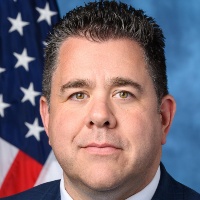
Nicolas LaLota
Representative
NY-1
The Troops Before Politicians Act mandates that if members of the U.S. Armed Forces experience a delay in pay due to a government shutdown or lapse in appropriations, the salaries of Members of Congress will be withheld and placed in an escrow account. These withheld funds will only be released to Members of Congress once military personnel have received their back pay. This legislation ensures that lawmakers face the same financial consequences as service members during periods of government funding instability.
Troops Before Politicians Act: Congressional Pay to Be Withheld Whenever Military Paychecks Are Delayed
The 'Troops Before Politicians Act' establishes a new rule for federal paydays: if the men and women in the Armed Forces aren't getting their checks because of a budget standoff, the people in charge of the budget won't get theirs either. Specifically, if members of the military on active service or in the reserve components miss a single day of pay due to a lapse in appropriations, the payroll administrators for both the House and Senate are required to halt salary payments for every Member of Congress. This isn't a permanent pay cut, but it forces a mandatory pause on congressional income, moving those funds into a secure escrow account until the military pay issue is resolved (Sec. 2).
The Escrow Incentive
Think of this as a financial 'time-out' for the 535 people running the country. Under this bill, the Secretary of the Treasury is brought in to help congressional payroll officers manage the logistics of diverting salaries (Sec. 2). For a busy professional or a trade worker, this means that the lawmakers who decide the national budget are now personally tied to the same financial clock as a soldier on active duty. If a government shutdown hits and a young sergeant can't pay their rent, the Representative or Senator responsible for that budget lapse will also see their bank account stay stagnant until they fix the problem.
Constitutional Fine Print
To keep things legal under the 27th Amendment—which basically says Congress can’t change its own pay in the middle of a term—the bill includes a specific safety valve for the 119th Congress. If any money is still sitting in that escrow account on the very last day of the congressional term, it has to be released to the Members regardless of the military pay status (Sec. 2). This ensures the bill doesn't get tossed out by a court on a technicality, while still keeping the pressure on for the duration of the term.
Real-World Accountability
For the average person juggling a mortgage and rising grocery costs, this bill attempts to bridge the gap between the 'real world' and the halls of power. It targets the specific administrative offices—the Chief Administrative Officer of the House and the Secretary of the Senate—to ensure the withholding happens automatically. By linking the financial well-being of politicians directly to the people they send into service, the legislation creates a practical, high-stakes incentive for Congress to pass budgets on time and avoid the shutdowns that frequently leave military families in financial limbo.