This bill directs the United States Postal Service to assign a unique ZIP code to Fairlawn, Virginia, to ensure the accurate allocation of tax revenues.
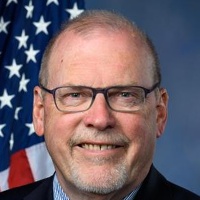
H. Griffith
Representative
VA-9
This bill directs the United States Postal Service to assign a unique ZIP code to the unincorporated community of Fairlawn, Virginia, within 180 days. This change aims to resolve ongoing issues with tax revenue misallocation caused by Fairlawn currently sharing ZIP codes with the neighboring independent city of Radford.
Fairlawn, Virginia to Receive Unique ZIP Code Within 180 Days to Secure Local Tax Revenue
This bill directs the United States Postal Service to create a dedicated ZIP code for Fairlawn, Virginia, an unincorporated community in Pulaski County, within 180 days of enactment. Currently, Fairlawn shares a ZIP code with its neighbor, the independent city of Radford. Because Virginia treats cities as politically separate from counties, this shared digital identity has created a financial glitch: sales tax from your online shopping orders intended for Fairlawn is frequently routed to Radford’s bank accounts instead of Pulaski County’s. By carving out a unique code for Fairlawn, the bill ensures that every dollar of local tax revenue stays where the residents actually live.
Sorting Out the Sales Tax Snag
In the world of e-commerce, software often uses ZIP codes to decide where sales tax goes. Since Fairlawn and Radford are currently lumped together, Fairlawn’s share of tax revenue for things like road repairs and local resources is being accidentally donated to its neighbor. Under this legislation, the USPS has a strict six-month deadline to assign the new code. For a resident in Fairlawn, this means your Amazon or Chewy orders will finally trigger a tax payment to your own community, supporting the local services you actually use rather than funding the city next door.
Why the Numbers Matter for Pulaski County
While a five-digit number might seem like a small detail, it’s a major logistical fix for local governance. The bill explicitly cites Virginia’s unique system where cities are independent of counties as the reason for this move. For a small business owner in Fairlawn or a county administrator in Pulaski, this change provides a clear digital boundary that protects the local tax base. It’s a straightforward administrative correction designed to stop a specific financial leak, ensuring that as more people shop online, the tax dollars follow the package to the correct front door.