This Act establishes a Bill of Rights for students at federally funded public colleges and universities, protecting free speech, association, and ensuring fair procedures for student group recognition, funding, and event security fees.
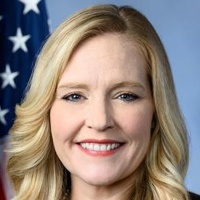
Erin Houchin
Representative
IN-9
The Students Bill of Rights Act of 2025 establishes new federal protections for free speech and association at federally funded public colleges and universities. This bill sets clear, objective standards for student group recognition, the allocation of student activity funds, and the assessment of security fees for events. It grants students the right to sue institutions that violate these rights and outlines penalties, including the potential loss of federal funding, for non-compliance.
Student Speech Bill Threatens College Federal Funding Over Missed Paperwork Deadlines
The “Students Bill of Rights Act of 2025” is here to set new ground rules for free speech and student group recognition at public colleges and universities that take federal cash. Think of it as an overhaul of the fine print that governs student life, designed to ensure schools can’t play favorites based on a group’s message—whether you’re running the Chess Club or the College Republicans.
Leveling the Playing Field for Campus Clubs
This bill directly tackles two major headaches for student organizers: getting officially recognized and getting funded. For recognition, the school can no longer deny your group just because you couldn’t find a faculty advisor, or because you’re affiliated with a national organization (like a fraternity or a professional society). This is a big deal because it stops schools from using bureaucratic hurdles to quietly sideline groups they don’t like. If a school does deny recognition, they have to provide an appeal process handled by people who weren’t involved in the initial decision. This adds a necessary layer of due process to campus politics.
The Checkbook Rule: Viewpoint-Neutral Funding
If your university charges mandatory student fees—which is how most campus activities are funded—they must now use “clear, objective rules” for handing out that money. This means the school can’t look at a group’s message and decide they deserve less money. For example, if the school funds the Debate Team, they can’t cut funding for the Environmental Action Group simply because administrators disagree with their policy stance. If a group feels they got short-changed, the school has to provide a speedy, written explanation and an appeal to a separate, unbiased panel. This is about ensuring that mandatory student fees are distributed fairly, regardless of the group’s opinion or cause.
The Cost of Free Speech: Security Fees
One of the biggest friction points on campus is security fees for invited speakers. Currently, some schools have been accused of charging exorbitant security costs for controversial speakers, effectively pricing them out. This bill shuts that down. It mandates that any security fees charged to a student group for an event must be calculated using “clear, objective” standards that cannot be based on the speaker’s viewpoint, the event’s message, or what the school thinks the public reaction might be. This means a school can’t charge a group $20,000 for security just because the speaker is polarizing, if they only charge $2,000 for a similarly sized, uncontroversial event.
The Nuclear Option: Loss of Federal Funding
Here’s where the bill gets intense and potentially disruptive. If a public college violates any of these new rights, students harmed by the policy can sue the school in federal court. If the student wins, the school is on the hook for damages, court costs, and, critically, the winner’s attorney fees. This fee-shifting provision incentivizes litigation and puts the financial risk squarely on the institution.
But the real hammer is the enforcement mechanism. If a court rules against the school, the institution has just 7 days to notify the Secretary of Education and 30 days to submit a report proving they’ve stopped the offending policy. If the school misses those tight deadlines—even if they fixed the policy but just messed up the paperwork—the Secretary must revoke the school’s eligibility for federal funding for the next award year. This isn’t a suggestion; it’s mandatory.
For students, this is a huge deal. Losing federal funding means losing access to Pell Grants, federal student loans, and other crucial financial aid programs. While the school can get the funding back by submitting the required report, the mandatory revocation over a paperwork failure introduces an enormous, potentially catastrophic risk for public universities. It forces college administrators to treat compliance with these new speech rules as a top-tier, existential priority, which is exactly the point. But it also means that a simple administrative oversight could suddenly put thousands of students’ financial aid packages in jeopardy.