This bill increases the annual rental fees paid by San Francisco for the Hetch Hetchy Reservoir and Lake Eleanor Basin to fund expanded public recreational access and wildfire mitigation efforts within Yosemite National Park.
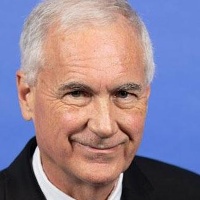
Tom McClintock
Representative
CA-5
The Yosemite National Park Equal Access and Fairness Act increases the annual rental fee paid by the City of San Francisco for the Hetch Hetchy Reservoir and Lake Eleanor Basin to $2 million, adjusted for inflation. The bill mandates that these areas be managed for expanded public recreation, including swimming, camping, and non-motorized boating. Additionally, it requires the Secretary of the Interior to report on strategies for ensuring equitable public access and sustainable funding for infrastructure and wildfire mitigation.
Yosemite Access Bill Hikes San Francisco’s Hetch Hetchy Rent to $2 Million and Opens Reservoir for Public Swimming
For over a century, the Hetch Hetchy Reservoir in Yosemite has been a bit of a 'look but don't touch' zone for the public, serving primarily as a massive water tank for the City of San Francisco. This new bill, the Yosemite National Park Equal Access and Fairness Act, aims to flip that script. The most immediate change is a massive price hike: San Francisco currently pays a measly $30,000 a year to use this land. This bill cranks that up to $2,000,000 annually, with a built-in inflation adjustment. To protect your wallet, the bill specifically states that the city can't pass this bill onto its wholesale water or power customers. Instead, that money could be funneled into wildfire mitigation, helping protect the very landscape that provides the water.
Diving In: New Rules for Recreation
If you’ve ever hiked near Hetch Hetchy and wished you could jump in, this is for you. The bill directs the National Park Service to manage the area for public use, specifically mandating that they allow swimming, non-motorized boating (think kayaks and canoes), camping, and picnicking. For a family planning a summer trip, this could mean a whole new set of trails and water access that were previously off-limits. However, there is a bit of a catch in the fine print: the Secretary of the Interior can still set 'reasonable limitations.' This means the level of access could change depending on who is running the show, potentially leading to some confusion over exactly where you can pitch a tent or launch a boat.
The Cost of Doing Business
While the bill protects customers from immediate rate hikes, it puts a significant financial squeeze on the City of San Francisco. By jumping from $30,000 to $2 million—and potentially more later—the city has to find that cash somewhere else in its budget. The bill also asks for a deep-dive report within a year to see if the city should be treated more like a 'concessioner' (the private companies that run park hotels and shops). This report will also look at adding even more fees to account for the 'lost value' of the valley that was flooded back in 1913. It’s a move that seeks to rebalance the scales for the public, but it sets up a complex financial tug-of-war between federal park management and city utilities.
Balancing Preservation and Play
The bill attempts a difficult balancing act: it wants more people on the water and in the woods, but it also mandates the protection of 'scenic, historic, and scientific' features. For a local contractor or a tech worker looking for a weekend getaway, this means more options for outdoor recreation. But for the park rangers, it creates a new challenge of managing crowds in a sensitive area. By requiring a report on trail maintenance and road improvements, the bill acknowledges that more people means more wear and tear. The goal is to make the area feel like a true part of the National Park system again, rather than just a utility site, though the practical reality of managing that transition will depend heavily on the funding and regulations developed in the coming years.