This bill reauthorizes the United States Commission on International Religious Freedom through December 31, 2028, including funding through that date.
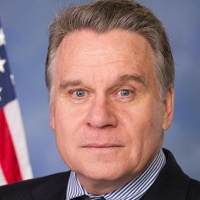
Christopher "Chris" Smith
Representative
NJ-4
This bill, the United States Commission on International Religious Freedom Reauthorization Act of 2026, extends the authorization and funding for the U.S. Commission on International Religious Freedom. It specifically updates the Commission's operational period through the end of 2028. This action ensures the continued function of the body tasked with monitoring religious freedom abroad.
International Religious Freedom Commission Extended Through 2028 with New Funding Timeline
The United States Commission on International Religious Freedom Reauthorization Act of 2026 keeps the lights on for the independent body tasked with monitoring global religious liberty. By amending the International Religious Freedom Act of 1998, this bill pushes the commission's expiration date from September 30, 2026, to December 31, 2028. It specifically updates Section 207(a) to authorize funding for the fiscal years 2027 and 2028, ensuring that the group’s research and reporting functions don't hit a sudden administrative wall.
Keeping the Watchdogs on the Clock
This isn't a policy overhaul; it’s a maintenance bill that ensures continuity for the federal government’s human rights apparatus. For a policy analyst or a human rights advocate, this means the status quo remains intact for another two years. The bill also includes a specific 'bridge' funding provision for the final quarter of 2028 (October 1 through December 31), which prevents a funding gap during the transition between fiscal years. In the real world, this means the staff who track overseas persecutions—from software engineers in D.C. to field researchers—can keep their projects moving without the threat of an immediate shutdown.
Why the Dates Matter
By moving the termination date to the end of 2028, the bill aligns the commission’s lifespan with the federal budget cycle. For the average person, this might look like bureaucratic fine-tuning, but it prevents the commission from becoming a 'lame duck' entity in the middle of a fiscal year. Whether you are a small business owner with international suppliers or a worker for a global NGO, this extension provides a predictable framework for how the U.S. monitors religious freedom issues that often impact international trade and diplomatic stability. The bill is straightforward, low on jargon, and focused entirely on the logistics of keeping the commission operational.