The SAFE Lending Act of 2025 aims to protect consumers from abusive lending practices by increasing transparency, empowering consumer control over bank accounts, and restricting lead generation in small-dollar consumer credit transactions.
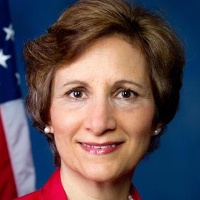
Suzanne Bonamici
Representative
OR-1
The SAFE Lending Act of 2025 aims to protect consumers from abusive practices in electronic and small-dollar lending by increasing transparency, empowering consumer control over bank accounts, and restricting lead generation activities. It requires lenders to register with the Bureau of Consumer Financial Protection, ensures compliance with state laws, and expands consumer protections for electronic fund transfers and prepaid accounts. The Act also mandates a study on the availability of capital on Indian reservations and the impact of small-dollar credit on tribal members. Finally, the Act directs the Bureau of Consumer Financial Protection to finalize rules necessary to implement the act within one year.
SAFE Lending Act: New Bill Cracks Down on Unauthorized Payments, Boosts Small-Dollar Loan Transparency
The SAFE Lending Act of 2025 is all about giving consumers more control over their bank accounts and making small-dollar loans less of a minefield. It tackles unauthorized transactions, shady lending practices, and aims to bring more transparency to the world of short-term credit.
Taking Control of Your Cash
This section focuses on who can take money out of your account. The bill introduces a major change to how remotely created checks work. Think of those checks generated online or over the phone – sometimes convenient, but also a potential source of fraud. Under this bill, you'll have to specifically authorize, in writing, who can issue those checks from your account, and you can revoke that permission anytime. (SEC. 2). Plus, if you're disputing something under a federal consumer financial law, nobody can hit you with a payment order as payback. (SEC.2).
For small-dollar loans (defined as credit up to $5,000 or an amount set by the Consumer Price Protection Bureau, repayable within 12 months (SEC. 3)), any electronic repayments are now treated as "preauthorized transfers." This is a big deal because it pulls them under the umbrella of existing protections in the Electronic Fund Transfer Act. (SEC. 2). Imagine a payday loan with automatic withdrawals – this gives you more power to stop those withdrawals if something goes wrong.
Leveling the Lending Landscape
This part is about making sure small-dollar lenders play by the rules. The bill requires lenders to register with the Bureau of Consumer Financial Protection (CFPB) before they can offer these loans. (SEC. 3). This adds a layer of oversight to the industry. The Act also makes it clear that these loans need to comply with state laws where the borrower lives, especially when it comes to interest rates, fees, and charges. This is huge for online lending, where it can be tricky to figure out which state's rules apply. (SEC. 3).
If you are using a pre-paid account, the SAFE Lending act will prohibit overdraft fees. (SEC. 3). The CFPB also gets the power to ban other fees on prepaid accounts if they're deemed unfair or deceptive. (SEC. 3).
Shining a Light on Lead Generators
This section cracks down on the murky world of "lead generation" in small-dollar lending. These are the companies that collect your personal and financial information and then sell it to lenders. The bill requires anyone involved in gathering or distributing sensitive financial data (like your Social Security number or bank account details) for small-dollar loans to publicly disclose their contact information. (SEC. 4). More importantly, it prohibits anyone from facilitating or brokering these information exchanges unless they are the ones directly providing the loan. (SEC. 4). This could significantly cut down on the number of shady third parties handling your sensitive data.
Digging Deeper: A Study on Tribal Lands
Finally, the bill calls for a study on the availability of capital and the impact of small-dollar loans on Indian reservations. (SEC. 5). This study, to be conducted by the Comptroller General, will look at how these loans affect economic opportunity and wealth for tribal members, both online and offline. The report is due within 180 days of the Act's enactment and will involve consultations with various federal agencies, tribal representatives, and financial institutions operating in Indian lands. (SEC. 5). The findings will be shared with key Congressional committees, including those focused on banking, Indian affairs, and financial services. (SEC. 5).
The Director of the Bureau of Consumer Financial Protection must finalize any rules to implement this Act within 1 year of enactment. (SEC. 6).