Prohibits U.S. funds from assisting foreign governments that suppress free speech or pressure communication platforms to censor speech protected under the U.S. Constitution, with a presidential waiver option for national security reasons.
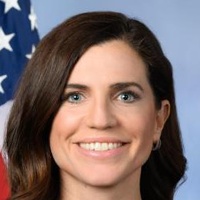
Nancy Mace
Representative
SC-1
The "No Funds for Fascists Act" prohibits U.S. funds from assisting foreign governments found to be suppressing free speech or pressuring communication platforms to censor speech protected under the U.S. Constitution. The Secretary of State will publish determinations of which countries are supressing free speech in the Federal Register. The President can waive this prohibition for national security reasons, after consulting with Congress and submitting a detailed report. The bill defines key terms like "covered platform" and "employee acting under official authority or influence" to clarify the scope of the restrictions.
No U.S. Cash for Countries Crushing Free Speech: 'No Funds for Fascists Act' Explained
The "No Funds for Fascists Act" aims to cut off U.S. financial assistance to foreign governments that the Secretary of State determines are suppressing free speech or pressuring online platforms to censor content that would be protected under the U.S. Constitution. This means if a country is blocking citizens from expressing views online that Americans can freely share, they could lose U.S. funding. The specifics? The Secretary of State has to publicly list these countries in the Federal Register—think of it like a public shaming, but with financial consequences.
Free Speech Strings Attached
This bill directly targets governments suppressing speech that would be constitutionally protected in the U.S. It also hits governments that lean on communication platforms to censor such speech. "Covered platforms," as defined in Section 230(f) of the Communications Act of 1934, include everything from social media giants to news sites—anywhere information is shared online. For example, if a country forces Facebook or a local news website to remove posts critical of the government, and that criticism is protected under U.S. free speech principles, that country could be in trouble.
The National Security Card
There's a big exception: national security. The President can waive this prohibition if it's deemed "necessary in the national security interests of the United States." Before doing so, the President must consult with the House Committee on Appropriations, the House Committee on Foreign Affairs, the Senate Committee on Appropriations, and the Senate Committee on Foreign Relations. They also have to send a report to the Speaker of the House and the chairman of the Senate Committee on Foreign Relations, detailing:
- Which country gets the waiver.
- Why it's vital for national security.
- What kind of aid is being given, how much, and why it's justified.
- How long the waiver will last.
This part could be tricky. While it keeps the U.S. from funding oppressive regimes, the national security waiver is a potential loophole. Imagine a country that's strategically important to the U.S. but has a terrible record on free speech. The President could use this clause to keep the money flowing, citing national security concerns. The bill requires consultation and reporting, but the final call rests with the executive branch.
Who feels the change?
This bill, if enacted, primarily impacts:
- Citizens of countries with restrictive speech laws: They might see some changes if their governments want to keep U.S. funding.
- U.S. tech and media companies: They might face less pressure from foreign governments to censor content.
- "Covered platforms": This is broadly defined and could include a wide range of online services, even small blogs or forums.
The language is broad enough that it could impact many countries and companies. The requirement for the Secretary of State to publish these determinations—and for the President to justify any waivers—adds a layer of transparency, but the real-world effects will depend on how strictly these provisions are enforced.