This bill prohibits Members of Congress from receiving pay or retroactive back pay during any period of a federal government shutdown.
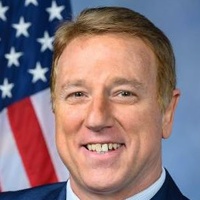
Patrick "Pat" Fallon
Representative
TX-4
The "Missed Paychecks for Missed Deadlines Act" prohibits Members of Congress from receiving pay during any period of a federal government shutdown. It mandates that payroll administrators withhold salary for each day a lapse in funding occurs and explicitly forbids retroactive back pay for those days.
No Budget, No Pay: New Legislation Cuts Congressional Salaries During Government Shutdowns Starting in the 120th Congress
The Missed Paychecks for Missed Deadlines Act introduces a straightforward 'work-for-pay' rule for the 120th Congress and beyond. If the federal government shuts down because Congress fails to pass a regular appropriations bill or a continuing resolution, Members of Congress will have their pay docked for every 24-hour period the lapse lasts. Under Section 2, the bill explicitly prohibits back pay, meaning those lost wages are gone for good once the lights come back on. Think of it like a contractor who doesn't get paid if they don't finish the job on time; it shifts the financial burden of a stalemate from the public back onto the decision-makers.
The Mechanics of the Pay Cut
To make this happen, the bill enlists the Secretary of the Treasury to assist the House and Senate payroll administrators in calculating the exact deductions. For every day the government is in a 'lapse in funding'—as defined in Section 3—the payroll office will multiply one day’s worth of a Member’s annual salary by the number of days the shutdown lasts. Whether you are a software developer at a tech firm or a foreman on a job site, you know that missing a deadline usually has consequences. This bill applies that same logic to Capitol Hill, ensuring that if federal agencies are shuttered, the paychecks of those responsible for the budget are the first to be impacted.
Accountability or Symbolic Gesture?
While the bill creates a clear financial incentive for lawmakers to keep the government running, it focuses exclusively on the salaries of Members of Congress. This means that while your representative’s wallet might feel the pinch, the legislation doesn't address the broader chaos of a shutdown, such as delayed pay for federal employees or the suspension of government services that small businesses and veterans rely on. It’s a targeted strike on Congressional compensation, designed to ensure that the people in charge of the clock are actually watching it. However, the real-world impact may vary; for a wealthy lawmaker, a few missed days of pay might be a drop in the bucket, whereas for others, it could be a significant deterrent against legislative gridlock.