The SRBIJA Act aims to promote democratic governance, rule of law, and accountability in Serbia while addressing concerns regarding the country's foreign influence and alignment with Euro-Atlantic institutions.
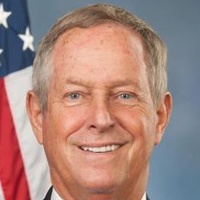
Joe Wilson
Representative
SC-2
The SRBIJA Act aims to promote democratic governance, rule of law, and accountability in Serbia while addressing concerns regarding the country's deepening ties with Russia, China, and Iran. The bill mandates reports on foreign influence, establishes conditions for U.S.-Serbia diplomatic engagement, and authorizes sanctions against actors destabilizing the Western Balkans. Ultimately, the legislation seeks to encourage Serbia’s alignment with Euro-Atlantic institutions by conditioning future assistance and cooperation on verifiable democratic reforms.
SRBIJA Act Ties U.S. Diplomatic Funding to Human Rights Progress and Limits Foreign Influence in the Balkans
The SRBIJA Act is essentially a diplomatic 'performance review' for the Serbian government. It sets a new baseline for U.S.-Serbia relations, making it clear that if Serbia wants deeper ties and more financial assistance, it has to show 'significant and sustained progress' on things like judicial independence, media freedom, and cleaning up corruption. The bill specifically calls for a full accounting of the 2024 Novi Sad railway station disaster, where 16 people died, and demands accountability for the use of force against peaceful protesters. It’s a move to ensure that U.S. tax dollars aren't just supporting a status quo, but are actively pushing for a more transparent and democratic partner in the region.
The Geopolitical Tightrope
For anyone following global news, this bill addresses the elephant in the room: Serbia’s balancing act between the West and the East. Section 5 requires the State Department to map out exactly how much influence Russia, China, and Iran have over Serbia’s energy, security, and tech sectors. For a software developer or tech worker in the U.S., this matters because it looks at how Serbia’s AI and communications deals with Iran might impact NATO security. The bill doesn't just watch from the sidelines; it declares a policy of slapping financial and visa sanctions on anyone—government officials or private actors—who undermines democratic processes or engages in corruption in the Western Balkans under Executive Orders 14033 and 14024.
No Progress, No Meeting
The legislation adds a 'no-nonsense' clause to high-level diplomacy. Under Section 6, the Secretary of State is prohibited from spending a single dime on the U.S.-Serbia Strategic Dialogue unless they certify—10 days in advance—that the meeting will tackle the tough stuff: Serbia’s ties to Russia and Iran, election integrity, and press freedom. This prevents these meetings from becoming mere photo-ops. For a small business owner or a taxpayer, this is about ensuring that diplomatic resources are used as leverage for actual reform rather than just maintaining pleasantries while democratic standards slip.
The Carrot and the Stick
While the bill is heavy on accountability, it offers a path forward. If the President certifies that Serbia is genuinely aligning with NATO and EU standards, Section 7 opens the door for increased security cooperation and academic exchanges. This could mean more opportunities for students and researchers to collaborate. However, the bill leaves a lot of room for interpretation. Terms like 'malign actors' or 'significant progress' are somewhat vague, giving the U.S. government broad power to decide who gets sanctioned and who gets aid. It’s a five-year plan to see if Serbia will commit to a Western path or continue its drift toward Moscow and Beijing, with U.S. support hanging in the balance.