The GRANITE Act prohibits U.S. courts from recognizing or enforcing foreign judgments based on censorship laws that conflict with First Amendment protections.
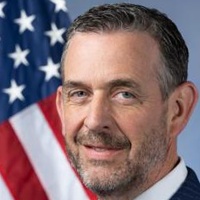
Michael Rulli
Representative
OH-6
The GRANITE Act prohibits U.S. courts from recognizing or enforcing foreign judgments that violate First Amendment protections against censorship. It empowers Americans targeted by such foreign actions to seek declaratory relief in U.S. federal courts and establishes a legal exception to foreign sovereign immunity for these cases.
GRANITE Act Blocks Foreign Censorship Judgments: U.S. Courts Forbidden from Enforcing Overseas Speech Bans
The GRANITE Act creates a legal shield for Americans against foreign governments trying to use U.S. courts to enforce their own censorship laws. Under this bill, a U.S. court is strictly prohibited from recognizing or enforcing any foreign judgment, fine, or order that stems from a 'foreign censorship law.' This applies even if other state or federal laws would normally allow international legal cooperation. Essentially, if a foreign country tries to fine you for something you said online that is protected by the First Amendment here at home, that foreign order stops at the water’s edge.
Your Speech, Your Shield
The bill defines a foreign censorship law as any rule intended to penalize expression based on content or viewpoint, or anything that would 'chill' speech in a way that violates the U.S. Constitution. For example, imagine a freelance journalist in Chicago who writes an article critical of a foreign regime’s trade policies. If that foreign government wins a defamation or 'anti-insult' judgment against the journalist in their own local courts and then tries to seize the journalist’s U.S. bank account to collect the fine, the GRANITE Act steps in. Section 4106 ensures U.S. judges cannot help that foreign state collect a dime, effectively keeping American speech protected from international legal reach.
Taking the Fight to Court
One of the most practical parts of this bill is the right to seek a 'declaratory judgment.' If you are targeted by a foreign censorship demand, you don’t have to wait for them to come after your assets; you can proactively sue in a U.S. district court to have that foreign order declared legally unenforceable. To make this work, the bill creates a specific exception to 'foreign sovereign immunity.' This means you can actually take a foreign state to court in the U.S. to get a formal ruling that their censorship demand has no power over you. It’s a significant shift that moves the burden of legal defense from the individual to the state attempting the censorship.
Navigating the Global Digital Square
While the bill is clear on what constitutes censorship, the real-world application will depend on how courts interpret the 'substantial effect' of foreign laws. Because the bill targets laws that 'compel disclosure' or 'target speaker identity,' it offers protection to tech workers and whistleblowers who might be pressured by foreign entities to hand over data or silence specific users. By aligning enforcement strictly with First Amendment standards, the legislation ensures that as long as your speech is legal in the U.S., you won't be penalized by the U.S. legal system for how that speech is received in more restrictive corners of the globe.