This bill establishes a grant program to help Federally Qualified Health Centers integrate food insecurity screenings, nutrition services, and assistance program referrals into their primary care delivery.
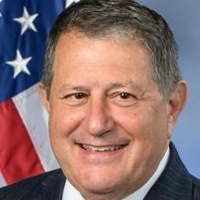
Joseph Morelle
Representative
NY-25
The "Improving Health Through Integrated Food and Nutrition Services at Federally Qualified Health Centers Act" establishes a grant program to help health centers address food insecurity as a core component of medical care. By funding on-site pantries, nutrition education, and streamlined enrollment in federal assistance programs, the bill aims to improve patient health outcomes and reduce long-term costs.
New Federal Grant Program to Launch On-Site Food Pantries and Nutritionists at Community Health Centers Starting in 2027.
The Improving Health Through Integrated Food and Nutrition Services at Federally Qualified Health Centers Act is a direct attempt to treat food as medicine. Starting in fiscal year 2027, the bill authorizes $100 million annually through 2031 to fund a competitive grant program for Federally Qualified Health Centers (FQHCs)—those community clinics that serve roughly 30 million people in underserved areas. Instead of just giving a patient a prescription for high blood pressure and sending them on their way, these clinics would use the funds to screen for hunger, run on-site food pantries, and hire registered dietitians to provide culturally tailored nutrition advice. It’s a recognition that medical advice to 'eat better' doesn't work if a patient can't afford the grocery bill.
More Than Just a Doctor’s Visit
Under Section 3, the bill moves beyond traditional check-ups by requiring grant recipients to build physical and social infrastructure for food access. For a construction worker managing diabetes or a single parent working two jobs, this could mean leaving a routine clinic appointment with a box of fresh produce from an on-site pantry rather than making an extra trip to a food bank. The bill also mandates that clinics partner with local farms and food banks, effectively turning the local health center into a hub for community resources. By employing nutrition professionals directly at the clinic, the legislation ensures that dietary guidance is integrated into a patient’s medical record rather than being an afterthought.
Cutting Through the Red Tape
One of the most practical shifts in this bill is the directive for the Secretary of Health and Human Services to coordinate with the USDA and CMS to streamline referrals. Currently, signing up for SNAP (food stamps) or WIC can be a bureaucratic nightmare of separate offices and redundant paperwork. This bill aims to 'streamline referrals and enrollment' directly through the health center. For a busy family, this means the clinic could act as a one-stop shop: you see the doctor, meet with a nutritionist, and get help finishing your SNAP application all in the same building. Additionally, the bill explores 'value-based payment models,' which is policy-speak for trying to get Medicaid to eventually pay for these food services as part of regular healthcare coverage.
Tracking Progress and Practical Hurdles
While the $100 million annual price tag is significant, the bill includes strict reporting requirements to ensure the money isn't disappearing into a black hole. Clinics must submit annual reports detailing exactly how many people they helped and how many patients successfully enrolled in programs like SNAP or WIC. However, because the grant application process is left to the Secretary’s discretion, smaller clinics with less administrative staff might find it harder to compete for the cash than larger health networks. There is also the challenge of 'culturally tailored' education—while a great goal, the bill is a bit vague on how it will ensure the quality of this education across thousands of different communities. The success of this rollout will largely depend on whether the technical assistance provided by the government can actually help overworked clinic staff manage these new responsibilities without burning out.