The Veterans Housing Opportunity Act establishes a pilot program to recapture and reallocate underutilized HUD-VASH housing vouchers to ensure more homeless or at-risk veterans receive essential rental assistance.
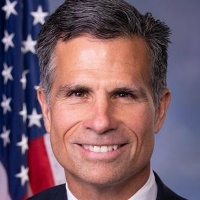
Daniel Meuser
Representative
PA-9
The Veterans Housing Opportunity Act establishes a five-year pilot program to improve the efficiency of HUD-VASH voucher distribution. By recapturing and reallocating chronically underutilized vouchers, the program ensures that housing assistance is more effectively directed toward veterans who are homeless or at risk of homelessness.
Veterans Housing Opportunity Act Creates National Pool to Reallocate Unused HUD-VASH Vouchers Within One Year
The Veterans Housing Opportunity Act targets a specific inefficiency in how we house those who served: unused paperwork. Currently, some local housing agencies have HUD-VASH vouchers (rental assistance specifically for veterans) sitting in digital drawers while other cities have waitlists out the door. This bill establishes the HUD-VASH National Pool Pilot Program, which gives the Secretary of HUD the power to 'recapture' these chronically underutilized vouchers and move them to areas where veterans are actively struggling with homelessness. It’s a five-year test run to see if shifting resources can fix the mismatch between where the money is and where the need is greatest.
Putting Idle Resources to Work
Under Section 2, the government will start identifying public housing agencies that aren't using their allocated veteran housing funds over a 'sustained' period. Think of it like a 'use it or lose it' policy for local bureaucracies. If an agency in a small town has ten vouchers but no veterans currently qualifying for them, those funds could be rerouted to a high-traffic area like San Diego or D.C. where a veteran might be living in their car despite being eligible for help. The bill requires HUD to give these agencies a heads-up and a grace period to use the vouchers before they are yanked away, ensuring local offices have a fair shot at serving their community first.
Security for the Long Haul
A major concern with any 'pilot program' is what happens when the clock runs out. This bill includes a safeguard for the actual humans involved: any veteran who snagged a voucher through this national pool gets to keep it even after the five-year pilot expires. This means if a formerly homeless vet uses a reallocated voucher to get into an apartment in year four, they won't be evicted in year six just because the pilot program ended. They simply transition into the standard HUD-VASH program, providing the kind of long-term stability that’s essential for someone getting back on their feet.
Defining the Details
While the goal is straightforward, the bill leaves some of the heavy lifting to administrative discretion. Terms like 'chronically underutilized' and the specific process for moving the money aren't set in stone; they’ll be defined by the Secretary of HUD within a year of the bill passing. This 'Medium' level of vagueness means the program’s success depends heavily on how HUD writes the rules. To keep things accountable, the bill mandates a report to Congress within three years to check if housing outcomes are actually improving or if the paperwork shuffle is just creating more red tape. For the average citizen, this is a play for government efficiency—trying to ensure that tax dollars meant for veterans actually reach them, regardless of which zip code they're in.