The STORMWATER Act expands and extends the national stormwater infrastructure technology program by establishing five dedicated centers of excellence, including a new facility focused on the Great Lakes region.
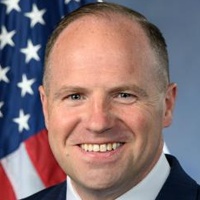
Timothy Kennedy
Representative
NY-26
The STORMWATER Act enhances national stormwater management by mandating the establishment of five Centers of Excellence for stormwater control infrastructure, including a dedicated center for the Great Lakes region. The bill also extends the authorization of appropriations for these critical infrastructure programs through fiscal year 2031.
STORMWATER Act Extends Infrastructure Funding Through 2031 and Mandates New Great Lakes Research Hub
The STORMWATER Act updates the Infrastructure Investment and Jobs Act to ensure long-term research into how we manage heavy rainfall and urban runoff. By amending Section 50217 of the existing law (33 U.S.C. 1302f), this bill locks in a commitment to developing better drainage and filtration systems. Specifically, it extends the program’s funding authorization—originally set to expire in 2026—all the way through fiscal year 2031. This provides a decade-long runway for engineers and scientists to tackle the increasing pressure that modern weather patterns put on our aging city pipes and suburban drainage basins.
A Dedicated Hub for the Great Lakes
One of the most significant shifts in this bill is the geographic focus of its research. Previously, the law allowed for a flexible range of three to five 'centers of excellence'—academic or research institutions that develop new stormwater technologies. This legislation changes that requirement to exactly five centers and mandates that one of them must be located in and focused on the Great Lakes region. For someone living in a city like Chicago, Cleveland, or Buffalo, this means research will be tailored to the specific challenges of the Great Lakes ecosystem, such as managing lake-effect precipitation and protecting one of the world’s largest freshwater sources from urban pollutants.
Infrastructure for the Long Haul
By extending the funding timeline from 2027 to 2031, the bill aims to move stormwater management from a reactive 'fix-it-when-it-breaks' model to a proactive technological one. For a small business owner whose storefront floods during heavy summer storms, or a commuter dealing with washed-out roads, these centers are tasked with finding 'optimization' and 'resilience' strategies that actually work in the real world. The renumbering of existing law in Section 50217(b) ensures this Great Lakes center is a permanent fixture in the federal strategy, signaling that the government is prioritizing regional expertise to solve local infrastructure headaches.