This legislation prohibits states from imposing income taxes on nonresident telecommuters for work performed while physically located in another state.
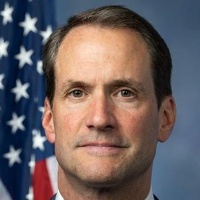
James "Jim" Himes
Representative
CT-4
The Multi-State Worker Tax Fairness Act of 2026 protects remote workers from being taxed by states where they do not physically perform their work. It establishes that states may only impose income tax on nonresident employees for time spent physically present within their borders, effectively prohibiting the use of "convenience of the employer" tests. This legislation ensures fair taxation for telecommuters by aligning tax liability with the actual location where services are performed.
Multi-State Worker Tax Fairness Act Ends 'Convenience' Taxes: New Limits on State Income Tax for Remote Workers to Start in 2026.
The Multi-State Worker Tax Fairness Act of 2026 aims to put a permanent end to the 'tax grab' where states charge income tax on people who don't actually set foot within their borders. Under this new rule, a state can only tax your paycheck if you are physically present in that state while doing the work. It explicitly bans states from using the 'convenience of the employer' rule—a common tactic where a state claims you owe them taxes just because your office is there, even if you’ve been working from your couch three states away all year. For anyone who has ever opened their W-2 to find two different states asking for a cut of the same dollar, this bill sets a hard line: no physical presence, no tax.
The End of the 'Convenience' Trap
Currently, several states use a 'convenience of the employer' test to tax remote workers. For example, if you live in Pennsylvania but your job is based in New York, New York might try to tax your full salary even if you only commute once a month. Section 2 of this bill shuts that down by stating that physical presence is the only metric that matters. It prevents states from pretending you are 'working' in their jurisdiction just because you chose to work from home for your own convenience. If you are a software developer in Ohio working for a firm in Boston, Massachusetts can only tax you for the specific days you actually spend in a Boston office. This provides immediate relief for the roughly 20% of the workforce that now works remotely at least part-time, ensuring they aren't paying for services (like roads or emergency response) in a state where they don't live or work.
Protecting the Paycheck Math
The bill also gets into the weeds of how your time is tracked to prevent states from gaming the system. Section 127(c) ensures that states cannot reclassify your 'off' time or non-working hours as 'in-state time' unless your employer officially treats it that way. This is a win for trade workers and independent contractors who move between job sites across state lines. If a construction consultant spends four days on a site in Nevada and Friday doing admin work at home in Arizona, Nevada is prohibited from claiming that Friday as a 'Nevada work day' to pad their tax revenue. By tying tax liability strictly to physical location, the bill simplifies the annual headache of filing multiple non-resident tax returns and prevents the 'double taxation' feeling that hits many middle-class families.
Who Wins and Who Loses
While this is a major win for remote employees and independent contractors, the bill will likely cause a stir in state capitals that rely on taxing out-of-state commuters. States with high concentrations of corporate headquarters—like New York, Massachusetts, or California—stand to lose significant tax revenue as the 'convenience' rule is dismantled. However, for the individual worker, the bill provides a level of predictability that has been missing since the remote work boom began. It’s important to note that this only applies to your earned income (wages and salary). It doesn't change how states tax your dividends, interest from your bank account, or the rent you might collect on a property. It’s a targeted fix designed to ensure that if you aren't using a state’s infrastructure to do your job, you aren't being forced to pay for it.