The CCP Fentanyl Sanctions Act codifies existing executive orders and authorizes the President to impose financial and property sanctions on foreign persons, entities, and financial institutions involved in the proliferation of illicit synthetic narcotics originating from the People’s Republic of China.
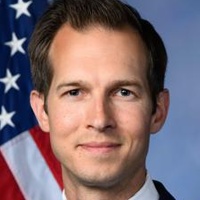
Jake Auchincloss
Representative
MA-4
The CCP Fentanyl Sanctions Act codifies existing executive orders and authorizes the President to impose targeted sanctions on foreign individuals, entities, and financial institutions involved in the production or distribution of illicit synthetic narcotics originating from the People’s Republic of China. This legislation aims to disrupt the supply chain of these substances by blocking the property and financial access of those facilitating their proliferation.
U.S. Moves to Freeze Assets of Overseas Fentanyl Suppliers: New Sanctions Target Chinese Manufacturers and Banks Starting in 2024
The CCP Fentanyl Sanctions Act takes a hardline approach to the drug crisis by targeting the supply chain at its source. Specifically, it codifies existing executive orders and grants the President broad authority to freeze the U.S.-based assets and bank accounts of any foreign individual or company involved in the production or trafficking of illicit synthetic narcotics from China. Starting 180 days after the bill becomes law, the government can block transactions for any entity—from shipping ports to online marketplaces—deemed to be contributing to the flow of these drugs into American communities.
The Digital Paper Trail
This bill doesn't just go after the people moving the product; it targets the financial plumbing that keeps the trade alive. Under Section 4, the Treasury Department can cut off foreign banks from the U.S. financial system if they 'knowingly' process significant transactions for sanctioned drug traffickers. For a professional working in finance or a small business owner who relies on international wire transfers, this means the 'knowingly' standard is crucial. The bill defines this to include anyone who 'should have known' about the illicit nature of the money (Section 5). This broad definition effectively puts global banks on high alert, as missing a red flag could mean losing their ability to operate in the U.S. market.
Broad Strokes and Potential Overreach
While the goal is to stop the flow of fentanyl, the bill’s language is wide enough to catch more than just kingpins in its net. Section 3 authorizes sanctions not just for those who do contribute to drug proliferation, but for those who pose a 'significant risk' of doing so. Think of it like a background check that flags you for what you might do. For everyday people, this matters because broad definitions can lead to 'de-risking,' where banks stop doing business with entire regions or groups of people just to avoid the headache of potential sanctions, even if those people aren't doing anything wrong. Additionally, while the bill includes a 180-day renewable waiver the President can use for 'national interests,' this gives the executive branch significant discretion to decide who gets hit with penalties and who gets a pass.
Impact on the Global Marketplace
The legislation specifically targets PRC-owned ports, ships, and online marketplaces that facilitate the sale of precursors—the chemicals used to make fentanyl. If you’re a consumer who buys goods from international online platforms, you might see changes in which vendors are available or how payments are processed if those platforms are flagged for lax oversight. The bill also forces the President to respond to Congressional inquiries about specific individuals within 120 days, ensuring that if a lawmaker points to a specific chemical factory in China, the White House has to explain why they are or aren't sanctioning them. It’s a move designed to turn up the heat on the international supply chain, though the real-world success will depend on how the government defines a 'significant risk' versus a legitimate business transaction.