The Radiation Exposure Compensation Reauthorization Act of 2026 expands eligibility, increases compensation, and extends the deadline for claims related to radiation exposure from atmospheric nuclear testing and Manhattan Project waste.
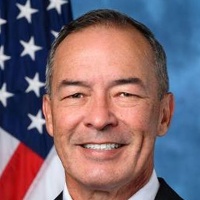
James (Jim) Moylan
Representative
GU
The Radiation Exposure Compensation Reauthorization Act of 2026 expands and extends the federal program that provides compensation and medical benefits to individuals harmed by radiation exposure from atmospheric nuclear testing and Manhattan Project waste. This legislation broadens eligibility criteria, increases compensation amounts, and establishes a new process for designating additional classes of eligible individuals. Furthermore, it extends the program’s authorization through 2043 and mandates new health studies and expanded screening services for affected populations and their descendants.
Radiation Compensation Expansion: $150,000 Payouts and New Geographic Coverage Set for 2026
For decades, the Radiation Exposure Compensation Act (RECA) has been a lifeline for people harmed by U.S. nuclear testing and uranium work. This new bill, the Radiation Exposure Compensation Reauthorization Act of 2026, isn't just a simple extension; it’s a massive overhaul that broadens who gets paid, how much they receive, and where they must have lived to qualify. If you or a family member worked in uranium mines or lived downwind of test sites, the rules of the game are about to change in a big way.
Bigger Checks and Medical Coverage
The most immediate impact is the jump in compensation. For "downwinders"—people living in areas exposed to fallout—the standard payment is climbing from $100,000 to $150,000 (Sec. 4). But the real game-changer is the addition of medical expense coverage. On top of the lump sum, the government will now reimburse out-of-pocket medical costs for covered diseases, provided you have the billing statements to back it up. For Manhattan Project waste claimants, the bill replaces the old $50,000 cap with a flat $150,000 payment plus additional benefits. Whether you’re a retired miner or a family member of someone who passed away, these figures represent a significant shift in how the government values the health impact of these programs.
Expanding the Map and the Calendar
The bill drastically expands the "affected areas" list (Sec. 2). It adds the entire states of Montana and Colorado to the list, and it removes the specific county restrictions for Arizona and Nevada, meaning if you lived anywhere in those states during the testing periods, you might now be eligible. It also adds Guam as a covered territory. The timeline is also stretching; the bill moves the coverage cutoff from 1962 all the way to 1992 for many claims. This recognizes that radiation doesn't just disappear when the tests stop. For people who felt they were "just outside" the lines of the old map or missed the date window by a few years, this provision finally brings them into the fold.
Cutting Through the Red Tape
One of the biggest hurdles in getting government compensation is proving you were actually there 50 years ago. Section 5 of this bill introduces a common-sense fix: the use of affidavits. As long as you have a third party (someone other than the claimant) willing to sign a statement under penalty of perjury attesting to your employment or physical presence, the Attorney General must accept that as evidence. This is huge for workers like ore transporters or miners who may no longer have access to decades-old company records. Furthermore, the bill expands the list of "specified diseases" to include more cancers, such as prostate, skin, and kidney (renal) disease (Sec. 7), acknowledging the full spectrum of health issues linked to radiation.
Long-Term Research and Future-Proofing
This isn't just about writing checks for past harm; it’s about looking forward. The bill extends the entire compensation fund until 2043 and the filing deadline to 2042 (Sec. 8). It also mandates the NIH to study the health of "covered descendants"—the children and grandchildren of those exposed—to see if these health risks are being passed down (Sec. 12). There’s also a new process allowing the President to designate entirely new groups of people for compensation if new evidence of exposure emerges. By funding more screening clinics in states like Utah, Missouri, and Washington (Sec. 13), the bill aims to catch these illnesses early, potentially saving lives while the government works through the backlog of claims.