This bill establishes a competitive grant program for state securities and insurance regulators to enhance their efforts in investigating, prosecuting, and preventing financial fraud against seniors.
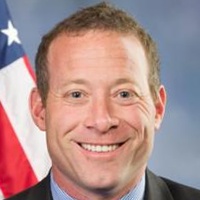
Josh Gottheimer
Representative
NJ-5
The Empowering States to Protect Seniors from Bad Actors Act establishes a competitive grant program through the SEC to provide state securities and insurance regulators with the resources needed to combat financial fraud targeting seniors. These funds will support the investigation and prosecution of financial exploitation, as well as the development of educational initiatives to protect older adults. By authorizing $10 million annually through 2030, this legislation strengthens state-level efforts to identify, prevent, and reduce scams against vulnerable seniors.
SEC to Award $10 Million in Annual Grants to Fight Senior Financial Scams Through 2030
The Empowering States to Protect Seniors from Bad Actors Act aims to put a dent in the staggering $10 billion lost annually to fraud by funneling federal resources directly to state-level investigators. The bill authorizes $10 million each year from 2025 through 2030 for a new competitive grant program managed by the Securities and Exchange Commission (SEC). These funds are earmarked specifically for state securities commissions and insurance departments to beef up their ability to protect anyone aged 62 or older from being fleeced by scammers, shady fiduciaries, or predatory investment schemes.
Boosting the Boots on the Ground
This isn't just a theoretical policy shift; it’s about hiring and equipping the people who actually chase down scammers. Under Section 3, states can use grant money to hire new investigators and prosecutors specifically focused on senior fraud. For a local detective or a state auditor, this could mean finally getting the specialized training or high-tech forensic software needed to track down digital footprints in complex investment scams. The bill specifically prohibits using this money for boring administrative costs like rent or utilities, ensuring the cash goes toward active enforcement and senior education programs.
Real-World Protection for Retirees
For the average person, this bill translates to better protection for parents and grandparents who are often targeted by sophisticated scams. If a veteran in your family is approached by a fraudulent "wealth manager," the local state insurance department might now have the resources to proactively flag that bad actor before the money disappears. The bill allows grants of up to $500,000 per year for most state agencies—or up to $1 million if one agency handles both securities and insurance—to create educational materials that help seniors spot red flags before they click a suspicious link or sign over power of attorney.
Accountability and Oversight
To make sure this money doesn't just vanish into a bureaucratic black hole, the bill includes mandatory check-ins. The SEC is required to audit the program annually and submit detailed reports to Congress within two and five years of the program starting. These reports must list every grant recipient and evaluate whether the programs are actually working to reduce fraud. While the bill leaves some of the specific application criteria up to the SEC (a "medium" level of vagueness that gives the agency some wiggle room), it clearly states that the goal is to proactively identify victims and discourage scammers through tougher state-level enforcement.