This bill prohibits the trading of financial contracts tied to wildfire events and directs the Attorney General to review federal authorities regarding the exploitation of such disasters for profit.
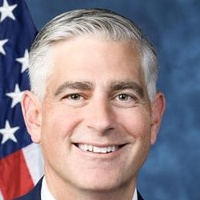
Michael Baumgartner
Representative
WA-5
The Wildfire Event Contract Prohibition Act bans commodity exchanges from listing or trading financial contracts tied to wildfire events, such as fire ignition, spread, or resulting property damage. The bill aims to prevent the exploitation of wildfire destruction for profit and mandates a federal review of existing laws to ensure such predatory behavior is effectively deterred and prosecuted.
Wildfire Event Contract Prohibition Act Bans Financial Betting on Fire Destruction and Casualties
The Wildfire Event Contract Prohibition Act takes a hard line against financial speculation on natural disasters. Specifically, it amends Section 5c(c)(5) of the Commodity Exchange Act to stop registered exchanges and clearinghouses from listing or trading any contracts tied to wildfire events. This isn't just about the fire itself; the ban covers everything from the initial spark and the size of the blaze to evacuation orders, injuries, and property damage. Essentially, it tells Wall Street that betting on whether a neighborhood burns down is officially off-limits.
No Profit in the Flames
The logic here is straightforward: Congress believes that allowing people to trade on wildfire outcomes creates a dangerous financial incentive to see those fires start or spread. Under Section 3, the bill explicitly states that federally regulated markets shouldn't be used to gamble on the destruction of homes or natural resources. For a homeowner in a high-risk area, this means preventing a scenario where someone could financially benefit from a fire reaching their zip code. It also protects the integrity of emergency services, ensuring that evacuation orders or containment strategies aren't viewed through the lens of market manipulation or "insider trading" by those with nonpublic information about fire behavior.
Hunting for Bad Actors
Beyond just banning the trades, the bill puts the Department of Justice on the clock. Within 180 days of the bill becoming law, the Attorney General must complete a full review of existing laws to see if they are tough enough to handle people who might start fires to win a bet. This review, required by Section 4, looks at everything from fraud and money laundering to how the government can go after offshore prediction markets or digital asset platforms that try to skirt U.S. rules. The goal is to identify if new penalties or information-sharing tools are needed between fire crews and law enforcement to catch anyone trying to game the system.
Protecting Local Control
While the bill tightens the screws on federal commodity markets, it makes sure not to step on local toes. Section 3 clarifies that these new federal rules won't override any existing state laws that already regulate or prohibit gambling. This ensures that if a state has its own strict stance on betting, this federal bill won't weaken it. For the average person, this bill acts as a preventative shield, aiming to keep the financial industry’s interests aligned with—or at least not actively betting against—the safety of communities and the environment.