The Open Doors to Diplomacy Act expands Foreign Service recruitment efforts to include students from community colleges, vocational schools, and other nontraditional higher education institutions.
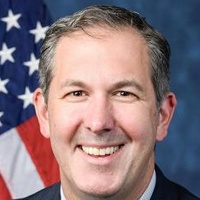
Johnny Olszewski
Representative
MD-2
The Open Doors to Diplomacy Act aims to diversify the Foreign Service by expanding recruitment efforts to community colleges, vocational schools, and other nontraditional higher education institutions. The bill mandates increased outreach and resources for these students and updates eligibility requirements to include part-time students. By broadening the recruitment pipeline, the Act seeks to ensure a more inclusive and accessible path to careers in diplomacy.
State Department to Recruit from Community Colleges and Trade Schools in 2024 Expansion
The Foreign Service has long been seen as the playground of the Ivy League, but the 'Open Doors to Diplomacy Act' is looking to crash that party. This bill officially amends the Foreign Service Act of 1980 to mandate that the State Department stops ignoring community colleges, vocational schools, and technical institutes. By requiring the Secretary of State to actively set up recruitment hubs and info sessions at these 'nontraditional' schools, the bill aims to ensure that the people representing America abroad actually look and sound like the America found in our local neighborhoods and trade shops.
Expanding the Talent Pool
For a long time, if you were a student at a junior college or a tech school, a career as a diplomat likely wasn't even on your radar because the recruiters weren't coming to your campus. This bill changes the ground rules by directing the Secretary to work directly with career centers and faculty at these institutions. It specifically calls for 'digital and hybrid outreach,' which is a fancy way of saying they need to use Zoom and social media to reach people who aren't living in major coastal cities. If you’re a student in a rural community college or a working professional taking night classes at a vocational school, this provision is designed to put you in the same room—virtually or physically—as the recruiters who traditionally only visited elite private universities.
Flexibility for Working Students
One of the most practical tweaks in this bill is a change to Section 1202(c) regarding student eligibility. It moves the bar from requiring 'full-time' enrollment to including anyone enrolled 'at least half-time.' This is a huge nod to the reality of modern life for the 25-45 demographic. If you’re a parent juggling a part-time job while finishing an associate degree, or a worker transitioning careers through a technical certificate program, you’re no longer disqualified from these entry programs just because you couldn't commit to a full 15-credit hour schedule. By recognizing half-time students, the bill acknowledges that talent isn't exclusive to those who have the luxury of being students 24/7.
The 'Practicable' Catch
While the bill is a major step toward opening doors, it does include some standard bureaucratic wiggle room. The requirement for the Secretary to conduct this outreach is qualified by the phrase 'to the extent practicable.' In plain English, this means the State Department can skip certain schools if they can argue it’s too expensive or difficult to get there. There’s also a bit of a gray area in how 'nontraditional institutions' are defined; while it mentions community colleges and tech schools, the broadness of the term means the Department will have to decide for itself which schools get the most attention. For the everyday person, this means the success of the bill depends heavily on whether the State Department actually puts its budget where its mouth is to reach every corner of the educational landscape.