This bill amends the Foreign Service Act of 1980 to ensure Foreign Service members receive per diem and travel benefits while on mandatory leave.
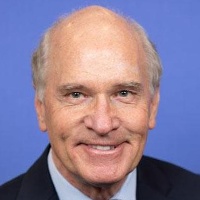
William Keating
Representative
MA-9
This bill amends the Foreign Service Act of 1980 to ensure that Foreign Service members are eligible for and receive necessary per diem, lodging, and travel benefits when they are ordered to take mandatory leave. This ensures members are financially supported while fulfilling these required leave obligations.
Foreign Service Update Mandates Per Diem and Travel Reimbursement During Required Leave
This amendment to the Foreign Service Act of 1980 closes a financial loophole for diplomats and staff serving abroad by ensuring they receive daily expense allowances (per diem) and travel benefits when they are ordered to take leave. Under the new language for Section 903, the government is required to provide lodging and related benefits—the same standard perks described in 5 U.S.C. § 5702 for other federal employees—whenever a member is directed to take mandatory time off. This isn't just about a vacation; it’s about covering the costs of being away from a post when the government says you have to be.
Leveling the Playing Field
For most of us, when we take a week off, we’re just responsible for our own hotel and gas. But for Foreign Service members, "required leave" often happens between high-stress assignments or during transitions where they may not have a permanent home to return to in the States. By mandating that the government provide allowances and lodging, this bill treats these professionals like the rest of the federal workforce. It means a mid-level officer transitioning from a post in Tokyo to a new role in D.C. won't be left footing the bill for a hotel and meals during a mandatory rest period dictated by their employer.
The Real-World Tab
The bill specifically references 5 U.S.C. § 5702, which is the standard rulebook for how the government pays for travel. By explicitly stating that members "must receive" these benefits, the legislation removes the guesswork and potential for administrative denials. For a family of four in the Foreign Service, this change could mean the difference between thousands of dollars in out-of-pocket costs for lodging and meals during a required leave stint and having those expenses covered by the agency that ordered the leave in the first place.
Implementation and Impact
Because this bill is a direct amendment to existing law with a low level of vagueness, the rollout should be relatively straightforward for agency payroll and travel departments. The primary challenge will be the budgetary adjustment, as agencies will now have a mandatory obligation to pay these per diems rather than it being a discretionary or overlooked item. For the people on the ground—the ones representing U.S. interests in every corner of the globe—it’s a move that recognizes the unique logistical and financial headaches of a life lived out of a suitcase.