The GATE Act of 2026 prohibits foreign nationals from certain countries from accessing U.S. National Laboratories to protect national security and sensitive technology.
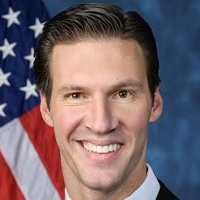
Pat Harrigan
Representative
NC-10
The GATE Act of 2026 prohibits individuals from certain foreign nations—specifically China, Russia, Iran, North Korea, and Cuba—from accessing U.S. National Laboratories. This legislation aims to protect sensitive American technology and research from exploitation. Exceptions to this ban may only be granted through a rigorous waiver process involving the Secretary of Energy and federal counterintelligence officials, subject to Congressional notification.
GATE Act of 2026: New Rules Bar Nationals from Five Countries from U.S. National Labs
The Guarding American Technology from Exploitation (GATE) Act of 2026 introduces a strict ban on citizens from China, Russia, Iran, North Korea, and Cuba accessing U.S. National Laboratories. Effective immediately upon enactment, SEC. 2 of the bill prohibits these individuals from entering lab premises or accessing sensitive information and technology. This applies to both short-term 'visitors' (30 days or less) and long-term 'assignees' (over 30 days), even if they had already received prior approval to be there. While U.S. citizens and lawful permanent residents (green card holders) are exempt, the bill represents a significant shift in how the U.S. manages international scientific cooperation.
Locking the Lab Doors
This legislation essentially puts a 'no entry' sign on the front door of some of the world’s most advanced research facilities for people from the listed nations. For a software engineer from one of these countries working on a joint energy project, or a physics student hoping to observe an experiment, the bill means an immediate end to their access. Under SEC. 2, the labs are required to deny access to anyone who has already sought or obtained approval, which could disrupt ongoing research projects mid-stream. This isn't just about physical entry; it includes access to the digital 'information or technology' that drives modern innovation.
The Waiver Loophole
The bill does include a 'break glass in case of emergency' clause. The Secretary of Energy can issue a written waiver if they certify—after consulting with high-ranking FBI and intelligence officials—that the benefits of admitting a specific person 'outweigh the national security and economic risks.' While this provides some flexibility for top-tier talent, it places immense power in the hands of a few government officials. Because the bill doesn't strictly define what constitutes an 'economic risk,' there is a gray area where legitimate scientific exchange could be blocked based on subjective interpretations. If a waiver is granted, the Secretary must explain why to six different Congressional committees within 30 days, adding a layer of bureaucratic oversight to every exception.
Impact on Innovation and Everyday Life
While the goal is to protect intellectual property and national security, the ripple effects could be felt by anyone who benefits from rapid scientific progress. If you’re waiting for the next breakthrough in clean energy or advanced medicine, those discoveries often happen through global collaboration. By restricting talent from specific countries, the U.S. risks slowing down the pace of innovation at its premier labs. Furthermore, while green card holders are technically exempt, the climate of increased scrutiny could make it harder for U.S.-based research institutions to attract the international experts who help keep American tech competitive. It’s a classic trade-off: tightening the lid on security while potentially cooling the engine of collaborative discovery.